
Scoliosis can often go unnoticed until it begins to affect your posture or cause discomfort. Chiropractors play a crucial role in identifying and managing scoliosis through personalized care and consistent monitoring. In this blog, we’ll walk you through how chiropractors assess scoliosis, track its progression, and support long-term spinal health.
What is Scoliosis?
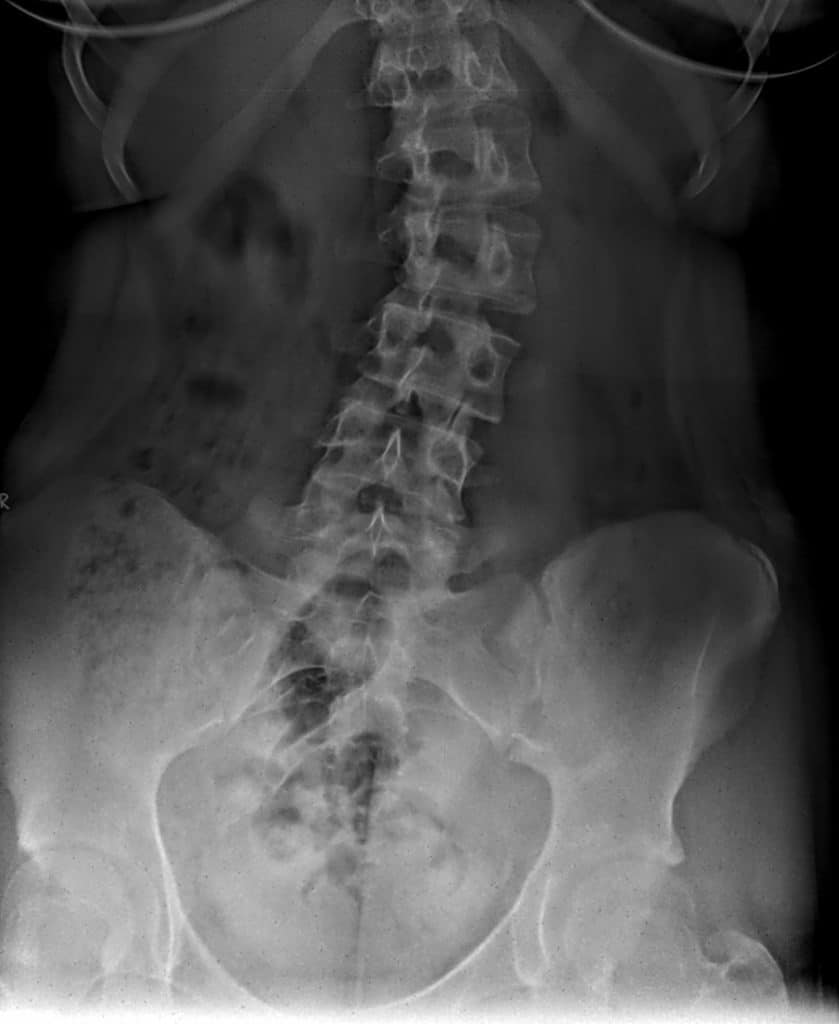
Scoliosis is a condition where the spine curves abnormally, typically in an “S” or “C” shape. This misalignment can lead to discomfort, pain, and in severe cases, impact lung and heart function. While scoliosis often develops during childhood and adolescence, it can also affect adults.
A curve under 10 degrees is considered within normal limits, but anything over 10 degrees is classified as scoliosis. Some forms result from trauma and can often be improved or reversed with prompt chiropractic care. Another common form is idiopathic scoliosis, which, despite the name, isn’t caused by idiots—but all of us in the medical field and Chiropractic fields still don’t fully understand why it occurs! However, it does tend to run in families and may skip a generation or two.
Why Early Detection Matters
Scoliosis often goes unnoticed unless you’re trained to spot it. Parents frequently bring in teenagers only to find that scoliosis has progressed too far for ideal correction. That’s why early detection—while children are still young, flexible, and moldable—is so important.
One reason scoliosis is easy to miss is because the spine doesn’t just curve—it also rotates, especially in idiopathic cases. For instance, when the spine curves to the left, the spinous processes (the small bones you can feel just under the skin) often rotate to the right. This rotation can make the spine appear straight, even when it’s not. That’s why X-rays are essential for a clear and accurate diagnosis.
How Chiropractors Diagnose Scoliosis
1. Physical Examination
Your chiropractor begins with a visual inspection of posture and alignment. They look for signs such as:
- Uneven shoulders or hips
- Rib prominence
- Spinal asymmetry
They may use the Adam’s Forward Bend Test to assess for abnormal spinal curves and observe how the spine moves during different motions. They’ll also check for muscle tightness and restricted range of motion.
2. Diagnostic Imaging
X-rays are the primary tool for confirming scoliosis and measuring its severity. Chiropractors look for the Cobb angle, which quantifies the degree of curvature:
- Mild: under 25°
- Moderate: 25–40°
- Severe: over 40°
In certain cases, additional imaging like MRI or CT scans may be recommended to assess nerve or soft tissue involvement.
3. Grading and Classification
Chiropractors classify this condition based on the severity of the spinal curve, ranging from mild to severe. The Cobb angle, measured through X-rays, is a critical tool used to assess the degree of curvature—angles under 25 degrees are considered mild, 25-40 degrees are moderate, and above 40 degrees is severe. Identifying the pattern of the curve, whether it’s a single curve or multiple, is also essential. This helps chiropractors determine the best treatment approach, whether it’s chiropractic adjustments, bracing, or referring to a specialist. Proper classification ensures that treatment is tailored to each patient’s needs for the best possible outcome.
Tracking Scoliosis Progression
Chiropractors monitor scoliosis through regular follow-up exams and periodic imaging. During visits, they reassess posture, alignment, and flexibility. If changes are detected, they’ll update your treatment plan accordingly—whether that means increasing care, adding supportive therapies, or referring you to a specialist. This proactive approach ensures patients receive the most effective care as their condition progresses.
Treatment Approaches and Chiropractic Care
Treatment is tailored to each individual’s needs and may include:
- Spinal adjustments to improve alignment and reduce muscle tension
- Postural exercises and stretches to improve mobility
- Soft tissue work for flexibility and support
- Strengthening routines to stabilize the spine
For more complex cases, chiropractors may collaborate with other professionals. One excellent resource we’ve worked with is Shriners Hospital, known for its straightforward, effective scoliosis care and world-class bracing systems—far more comfortable and discreet than braces from years past.
Once skeletal maturity has occurred, changing the curve is extremely difficult, and in some cases requires surgical intervention to maintain proper lung and heart function.
Whether you are young or old, or have a child, who you suspect has Scoliosis, we can help!
Adults who have this permanent condition often experience back pain, which can be relieved with chiropractic care.
Why Choose Grant Chiropractic?
We’ve been helping patients manage scoliosis for over 30 years, and we understand the complexity of this condition. Whether your case is mild, moderate, or advanced, we’ll take the time to evaluate, educate, and treat with compassion and expertise.
Chiropractic adjustments not only improve comfort—they train the brain to recognize the spine’s correct position, much like learning a new sport or musical instrument. The more often your spine is in proper alignment, the more your nervous system learns to hold it there, leading to better results over time.
Take the First Step Toward a Healthier Spine
Scoliosis doesn’t have to hold you or your child back. If you suspect scoliosis (or simply want peace of mind), schedule an evaluation at Grant Chiropractic today. Early care can make all the difference.
Call today to schedule your evaluation.


