Benefits of Chiropractic Care Health News Blog FAQS
Chiropractor Kaysville Utah

Grant Chiropractic

(801) 682-4003

280 West 200 North

Kaysville, UT 84037

Appointment Request
  • HOME
  • CHIROPRACTIC SERVICES
    • Whiplash Treatment
    • Auto Injuries
      • Auto Injury FAQ’s
      • Auto Accident Checklist
    • Back Pain
    • Neck Pain
    • Hip Pain
    • Headaches
    • Sciatica
    • Scoliosis
  • NEW PATIENTS
    • Your First Visit- Chiropractic Care
    • New Patient Forms
  • About Us
    • Todd N. Grant DC – Chiropractor
    • Over 100 Years of Chiropractic
    • Testimonials – Chiropractor
    • FAQ’S
    • Resources
      • About Chiropractic
      • Benefits of Chiropractic
      • What are Adjustments
      • Blog
      • COVID-19 Policy
  • CONTACT US
    • Make an Appointment

Bone Spurs: Everything You Need to Know

Home | Chiropractor | Page 11

Our bones support us, protect our organs, and allow us to be mobile. However, when those bones sustain—or develop—damage, these processes can be inhibited. Bone spurs result from damaged joints more often than most people realize. These growths can cause pain and limit movement if they grow to abnormal size, so they should be managed early on. Here we explore how spurs form, the symptoms they can initiate, and how to treat them.

Gaining a Better Understanding of Bone Spurs
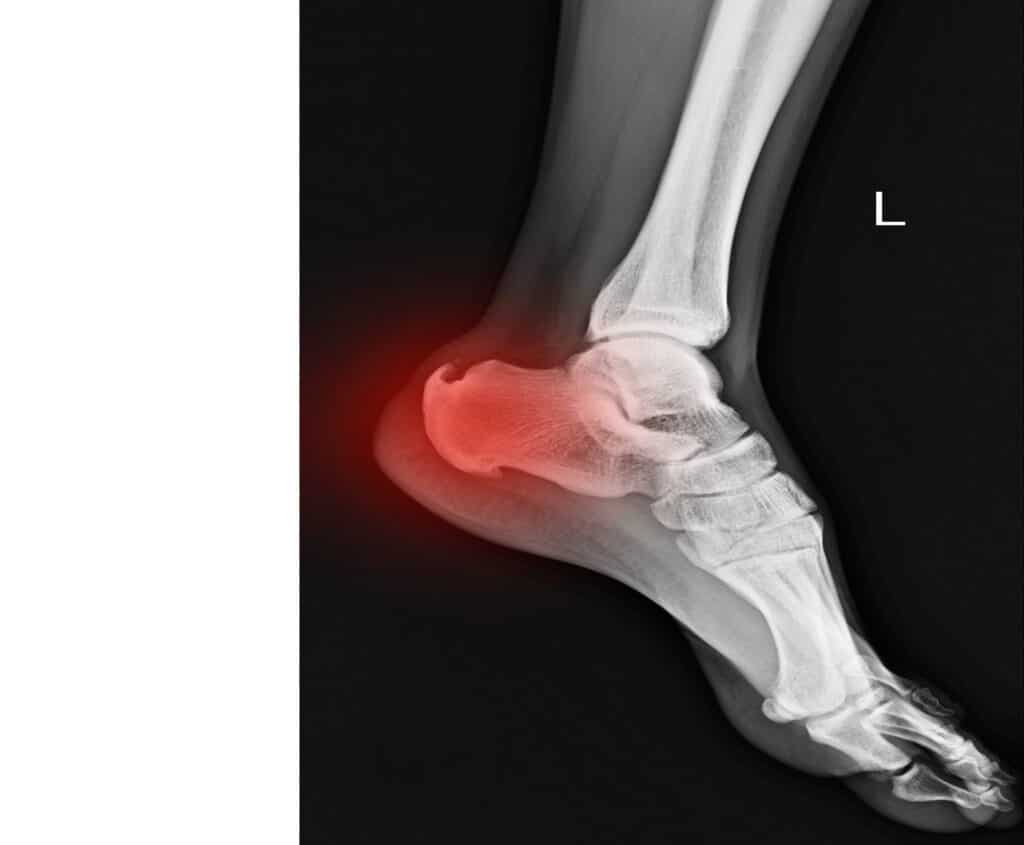
X-ray left foot showing Calcaneal spur on red color with copy space.

What Are Bone Spurs?

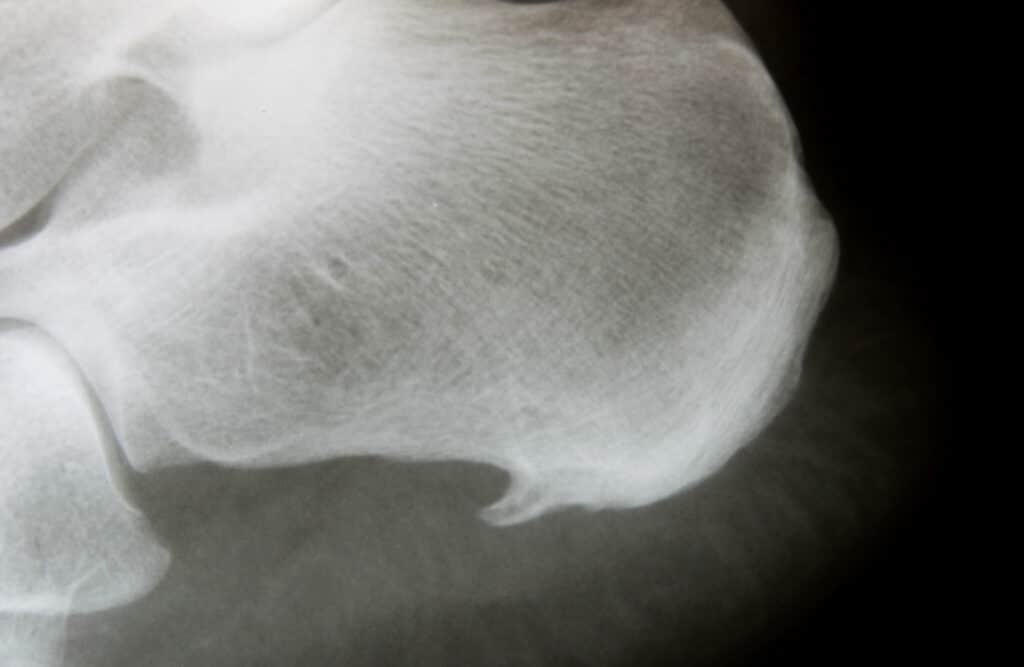
Also referred to as osteophytes, bone spurs are bony projections that grow on the fringes of bone. They are most commonly found near joints, especially in the feet, knees, hands, and spine. These bony outgrowths are not inherently painful in and of themselves; in fact, they are part of the body’s healing mechanism. When joints are damaged, the body produces new bone material to repair cartilage, and this is often manifested as spurs. 

Joint damage is the biggest cause of spur formation, though the cause of the damage does vary, including sources within one’s control like diet and overuse and those outside of one’s control (genetics, congenital bone problems, and spinal stenosis). The most prevalent cause of joint damage leading to spur formation is osteoarthritis, the chronic wearing down of cartilage. This correlation may indicate why bone spurs are highly prevalent among the population 50 years and older, affecting about 80% of men and 60% of women.

Sometimes bone spurs go undetected without x-ray diagnosis. If they do not press on nerves or other bone, they can be relatively innocuous. If, however, they interact with other parts of the body, such as a spine narrowed by spinal stenosis, the result is usually pain.

Gaining a Better Understanding of Bone Spurs
X-Ray image of heel with calcaneal spur (athlete´s foot syndrome, insertion tendopathy)

Common Symptoms

The best case scenario when an individual has bone spurs is that they simply go unnoticed. If no side effects present themselves, spurs may go undiagnosed and untreated. Sometimes, however, the abnormal bulges can cause trouble. Because spurs usually form in the joints, the result is often the bony mass rubbing against other bones. The exact symptoms that arise are dependent on the location of the spur. 

  • Spurs on the bones of the feet can lead to plantar fasciitis.
  • Spurs near muscle groups can cause spasming, cramping, or weakness.
  • Spurs in the limbs can result in stiffness or limited mobility and even lead to tendonitis or tendon tears.
  • Spurs can sometimes be seen as visible bumps on the extremities.
  • Spurs in the legs can result in weakness or numbness.
  • Spurs that form on the spine can pinch spinal nerves, inhibiting mobility or causing the spine to seize up.
  • Spurs that grow on the spine can also lead to bladder control problems, though this symptom is rare.
  • Spurs can also break off and get stuck in the lining of the joint. When this happens, they are referred to as “loose bodies.” They can lock up the joint, limiting mobility.

Regardless of where they form, spurs can cause pain that isn’t necessary. When any of these symptoms arise, be it pressure on the nerves or restricted movement, it is wise to seek treatment.

Gaining a Better Understanding of Bone Spurs
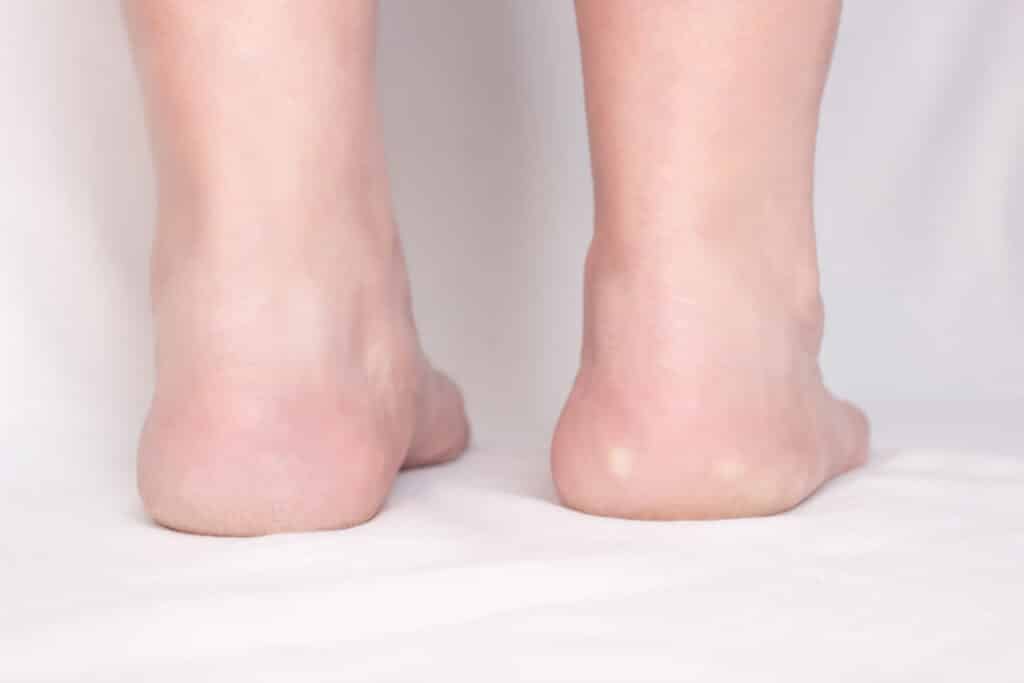
Female feet with spots on a white background with heel spur disease, close-up, plantar fasciitis, osteophyte, inflammation

Treating Bone Spurs

When spur growth makes ignoring them impossible, there are a few methods to treat the problem. The most effective, especially if spur growth is on the spine, is spinal decompression. This natural and noninvasive process can pull the protrusion of bone off of compressed spinal nerves, relieving the pain.

Remedies to “dissolve” bone spurs at home should be treated with healthy skepticism. Strengthening regimes like physical therapy are better based on sound physiological principles and empirical evidence of improving joint strength and range of motion. In very severe cases, a patient may need to undergo surgery to have spurs removed, but this necessity is rare. 

Preventative Care

Prevention is the best medicine, and stopping spurs before they form is no exception. Wearing supportive and good-quality shoes can keep spurs from forming on the bones of your feet, especially if those shoes do not rub against your feet. Be wise in how far you push your body when you exercise or even perform regular tasks. Allow your body time to rest so your joints do not become strained and damaged. 

Vitamin D is an essential nutrient for proper bone formation, and getting sufficient sun and enough calcium in your diet will help to strengthen and protect your bones. By taking good care of your body, you can protect your bones from the worst effects of bone spur formation.

Filed Under: Chiropractor

COPD is a debilitating condition that affects millions of people across the globe. Treating COPD can prove difficult because the root cause of the condition varies between individuals. However, emerging research suggests that spinal manipulation and other natural and noninvasive treatments can be effective initiatives for relief. 

Utilizing Spinal Manipulation in Treating COPD

What Is COPD?

COPD (chronic obstructive pulmonary disease) refers to a group of conditions that causes respiratory problems due to airflow blockage. In patients with COPD, progressive airflow is limited and lung function declines, making even simple tasks like walking upstairs difficult. Examples of COPD conditions include chronic bronchitis and emphysema.

The prevalence of COPD is widespread, affecting more than 16 million Americans each year. It is ranked sixth globally in the causes of death for both men and women. COPD is most commonly caused by the inhalation of tobacco smoke, though other factors which influence the lungs—respiratory infections, air pollution, and family history—can also contribute to the condition. 

COPD is diagnosed using a breathing test called spirometry. Patients are asked to breathe into a small machine that is connected to a mouthpiece. This is used to monitor the rate and volume of the airflow that the patient breathes in and out over a period of time. Unfortunately, many COPD cases go undiagnosed, and even for those that are diagnosed there is no cure. Instead, treating COPD is a matter of managing pain and breathing patterns. 

Utilizing Spinal Manipulation in Treating COPD

Treating COPD with Spinal Manipulation 

A body of evidence exists that suggests that manual therapy has the potential to increase the flexibility of the thoracic excursion and chest wall, subsequently leading to improvements in exercise capacity and lung function. These alterations in respiratory mechanics can lead to improvements in patients with certain chronic respiratory diseases, including COPD and chronic asthma. 

The term manual therapy usually accounts for a variety of techniques, including soft tissue therapy and joint mobilization or manipulation. Another powerful form is spinal manipulation, the application of high-velocity, low amplitude force to move a joint complex which is usually effective in decreasing pain and improving range of motion in the joints. Both manual therapy and spinal manipulation are non-pharmacologic interventions for treating COPD, and they have been shown to improve exercise capacity in patients with the debilitating condition.

Spinal manipulation works to increase thoracic mobility, consequently reducing the strenuous work of breathing. The importance of increasing exercise capacity, the more general result of the application of spinal manipulation, cannot be overstated, as research shows exercise capacity to be a predictor of mortality in cases of COPD.

Utilizing Spinal Manipulation in Treating COPD

“Use of Spinal Manipulation Therapy for Management of COPD” 

The research into spinal manipulation’s efficacy in treating COPD is still relatively unexplored. However, in February of 2016, authors Wearing, et al. published their findings on the subject in The Journal of Alternative and Complementary Medicine. Their article “Use of Spinal Manipulation Therapy for Management of COPD” was a systematic review geared toward investigating the result of administering spinal manipulation therapy and other modalities to patients with COPD.

In the study, spinal manipulation was defined by application of high-velocity, low-amplitude targeted pressure. The effect of other modalities falling under the manual therapy umbrella were also explored in conjunction with spinal manipulation therapy, as was pharmacological intervention. Pooling the body of research, Wearing, et al. included in their review primary research studies with participants of legal age (18 years) with an existing diagnosis of COPD for which the effect of spinal manipulation therapy on COPD was tested.

Six articles met the inclusion criteria and so were included for review, each with statistically small sample sizes (1 to 33 participants aged 55 to 85 years). The six studies included were broken up as such: three randomized controlled trials which employed exercise therapy from a pulmonary rehabilitation program, one case series, one pre-post observational study, and one single case study.

The conclusions of the review suggest strongly that spinal manipulation therapy is an effective measure in treating COPD. Following spinal manipulation, patients in five of the six studies reported improvements in both exercise performance and lung function. Furthermore, all three of the randomized trials indicated that combining exercise therapy with spinal manipulation treatments was more effective in the treatment of COPD. 

It should be noted that it was not uncommon for patients to report minor adverse effects—mainly muscle soreness—in the 24 hours after treatment. This resolved within that 24 hours without any additional intervention. This soreness did not outweigh the benefits of spinal manipulation and exercise therapy for patients with COPD. Authors Wearing, et al. call for greater research into spinal manipulation’s efficacy in treating COPD, especially when combined with exercise therapy.

Filed Under: Chiropractor

The battle of high blood pressure rages across the United States, afflicting 20–50% of all adults. With numbers like these, it is obvious that treating high blood pressure, especially in more natural ways than medication, should be a top priority.

Treating High Blood Pressure with Chiropractic Care

Defining High Blood Pressure

Blood pressure is a measure of how hard the heart must work to pump blood through the body in combination with the amount of blood available. The harder the heart has to work because of narrow or rigid arteries or the more blood the heart pumps, the higher the blood pressure.

Hypertension, dangerously high blood pressure, is defined by systolic pressures (the higher number) of more than 130 mmHg and/or diastolic pressures (the lower number) of more than 80 mmHg. Hypertension is a common problem, and once a person enters adulthood, blood pressure levels should be checked regularly. Treating high blood pressure becomes more important as a person ages.

The Dangers of Hypertension

High blood pressure has a clear association with life-threatening conditions such as stroke, heart attack, and other cardiovascular disease, which, according to the World Health Organization, causes more than 15 million deaths every year. The danger is two-fold. Hypertension often goes undetected because it rarely produces noticeable symptoms. If symptoms like headaches and nosebleeds do arise, they are frequently dismissed or attributed to something else.

The other factor that makes hypertension so dangerous is that small changes in pressure levels, for example an increase from 115 to 135 mmHg, doubles the risk of a cardiovascular event. The other side of that coin offers hope: often small reductions in blood pressure values can greatly decrease overall risk.

Treating High Blood Pressure with Chiropractic Care

Managing High Blood Pressure

The medical go-to method for treating high blood pressure is medication. Unfortunately, many patients have difficulty adhering to a pharmacological regimen or do not see results when they do. Prescription drugs also come with a slew of unwanted side effects. Fortunately, there are more natural and effective ways to lower blood pressure levels.

Lifestyle Changes

High blood pressure levels have clear links to age, weight, and consumption habits. While you cannot take off years, you can improve your blood pressure levels by watching what you put in your body. Eat moderately, avoiding foods with high sodium content or otherwise rich in saturated fats. Those wanting to improve their blood pressure values should also avoid the use of tobacco and alcohol.

Treating High Blood Pressure with Exercise

Blood pressure can be reduced to healthy levels with even simple exercises and stretches performed properly at home. Consult with your chiropractor about other treatments recommended for you, and remember to record your initial pressure levels before being an exercise routine. This will allow you to accurately track your progress.

Strengthen the Diaphragm

Deep regulated breathing is one of the best secrets for treating high blood pressure. Deep breaths lower the heart rate, dilate the blood vessels, and increase the amount of oxygen in the blood. Controlling your breathing, in addition to improving blood pressure levels, also strengthens the diaphragm, the arcing muscle responsible for the expansion and contraction of a body’s lung capacity.

This exercise is the easiest to perform and requires no additional tools. Simply inhale at 75% of your lungs’ maximum capacity then exhale completely. Repeat the process at least 30 times. Research has indicated that repeating this kind of controlled breathing six days a week for at least six weeks can reduce systolic blood pressure levels by 10 mmHG.

For a modification that is even more effective, you might try adding resistance to your breathing exercises. This can be accomplished by utilizing tools such as the BreathEasy Lung Exerciser, which is readily available commercially. Adding resistance to diaphragm exercises has been shown to reduce systolic levels by almost 16 mmHg and diastolic pressures by roughly 7 mmHg.

Treating High Blood Pressure with Chiropractic Care

Facilitated Stretching

As blood pressure is a measure of how readily blood can move through the arteries, it is no surprise that increasing the flexibility of the femoral and brachial arteries facilitates better blood pressure levels. This can be accomplished through regular stretching such as the reverse warrior yoga pose. 

To perform this full-body stretch without hurting yourself, we recommend using a door frame for support. Stand under the door jam with both feet apart, hips facing toward the room with the chest facing the frame. Extend both arms outward at about shoulder height, holding the door frame with one hand, then raise the other hand toward the ceiling.

Hold the pose for 45 seconds before switching sides. You should stretch each side three times, resting briefly between each repetition to allow the blood to return to your arms. Repeat the exercise several times each week.

Isometric Training

Isometric exercise involves contracting the muscles without visibly changing the angle of a joint. It stimulates muscle activity and blood flow and causes moderate reductions in blood pressure. You can do your own isometric training at home using nothing but two soft foam balls. Squeeze the foam, one ball in each hand, at about 30% effort and hold for two minutes. 

Resting briefly between each repetition, repeat the exercise for a total of four times. Treating high blood pressure with this kind of isometric exercise three times a week can produce systolic reductions of almost 12.5 mmHg and diastolic decrease of 14.9 mmHg.

Filed Under: Chiropractor

« Previous Page
Next Page »

GRANT CHIROPRACTIC

280 W 200 N
Kaysville, UT 84037
801-682-4003
Monday 8:00 AM - 6:00 PM
Tuesday 8:30 AM - 6:00 PM
Wednesday 8:00 AM - 6:00 PM
Thursday 8:00 AM - 6:00 PM
Friday 8:30 AM - 2:00 PM
Saturday Closed
Sunday Closed

Directions

Contact Us

Terms of Service & Privacy Policy

FOLLOW US

Grant Chiropractic - Facebook Grant Chiropractic - Google Grant Chiropractic - YouTube Grant Chiropractic - YouTube Grant Chiropractic - YouTube

2026Grant Chiropractic | All Rights Reserved | Privacy Policy | Terms | Accessibility | Anti-Discrimination | Healthcare Disclaimer | HIPAA Privacy Policy | XML Sitemap | Sitemap | Site by PDM