Benefits of Chiropractic Care Health News Blog FAQS
Chiropractor Kaysville Utah

Grant Chiropractic

(801) 682-4003

280 West 200 North

Kaysville, UT 84037

Appointment Request
  • HOME
  • CHIROPRACTIC SERVICES
    • Whiplash Treatment
    • Auto Injuries
      • Auto Injury FAQ’s
      • Auto Accident Checklist
    • Back Pain
    • Neck Pain
    • Hip Pain
    • Headaches
    • Sciatica
    • Scoliosis
  • NEW PATIENTS
    • Your First Visit- Chiropractic Care
    • New Patient Forms
  • About Us
    • Todd N. Grant DC – Chiropractor
    • Over 100 Years of Chiropractic
    • Testimonials – Chiropractor
    • FAQ’S
    • Resources
      • About Chiropractic
      • Benefits of Chiropractic
      • What are Adjustments
      • Blog
      • COVID-19 Policy
  • CONTACT US
    • Make an Appointment

What Are the Best Beds for a Bad Back? How to Find the Best Mattress for You

Home | Chiropractor | Page 6

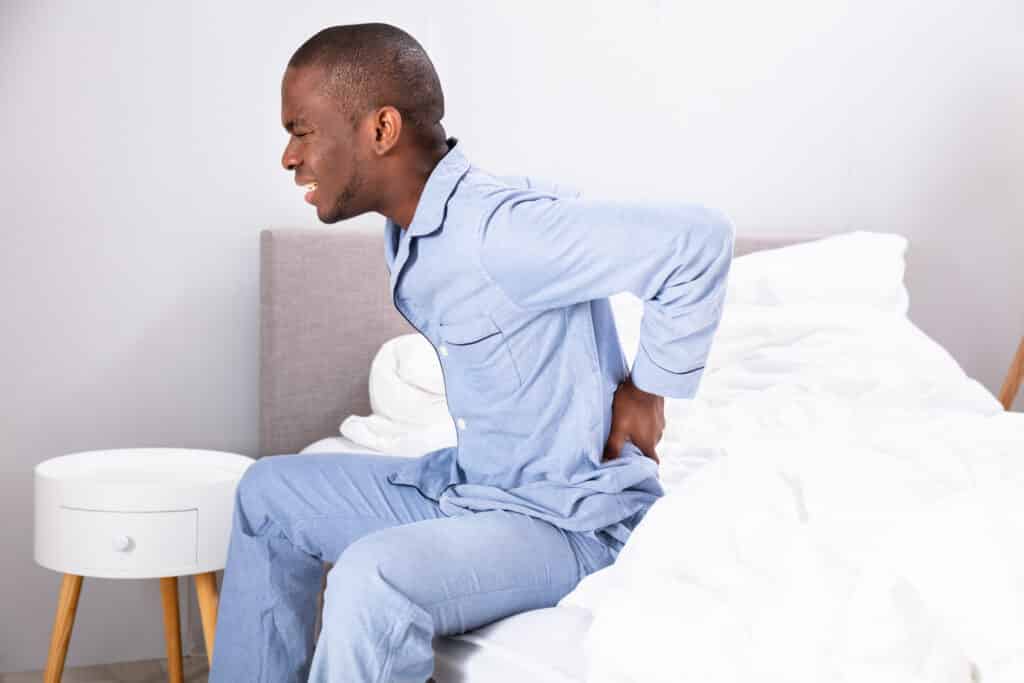
Common back problems such as lower back pain, sciatica, and spinal alignment issues can significantly impact daily life and overall well-being, and the quality of your sleep is directly linked to a bad back and back pain. Poor sleep can exacerbate back issues, while back pain can disrupt sleep, creating a vicious cycle. Inadequate support during sleep can lead to misalignment of the spine, which can increase pressure on sensitive areas and cause pain. This disruption not only affects physical health but also mental and emotional well-being.

A suitable bed can be a game-changer for those suffering from back pain. A bed that offers that right balance of support and comfort helps maintain proper spine alignment, and reduces stress on the back. By relieving pressure points and providing consistent support, an appropriate mattress can improve sleep quality and alleviate back pain. Investing in the right bed can lead to restful nights and a significant reduction in back discomfort.

What Are the Best Beds for a Bad Back?

Key Features to Look for in a Bed for Back Pain

Here are four important features to consider when looking for a bed for a bad back:

1. Support

Adequate support maintains spinal alignment, which reduces stress on muscles and joints. Firm mattresses offer strong support but may lack contouring. Medium-firmness mattresses balance support and comfort, while soft mattresses may not support severe back pain.

2. Comfort

Balancing support with comfort is essential for pressure relief. Materials like memory foam and latex contour to the body to distribute weight evenly. Mattress construction, including foil or coils, influences comfort and support.

3. Adjustability

Adjustable beds offer customizable support, reducing pressure on the lower back and improving circulation. They cater to individual needs and allow for the most comfortable positions.

4. Motion Isolation

For couples, minimizing motion transfer is important to ensure a restful sleep. Motion isolation prevents movement from disturbing the other side, which helps maintain undisturbed sleep and contributes to better rest and reduced back pain.

By focusing on these key features, you can choose a bed that not only alleviates back pain but also enhances overall sleep quality.

What Are the Best Beds for a Bad Back?

Types of Beds and Their Benefits for a Bad Back

There are many types of beds, and here are some of the best beds for a bad back:

Memory Foam

Memory foam beds conform to the body, providing excellent support and pressure relief by  distributing weight evenly and alleviating stress on pressure points. This contouring ability helps maintain proper spinal alignment. However, memory foam can retain heat and may feel too soft for some, potentially lacking sufficient support for severe back pain sufferers.

Latex

Latex beds offer robust support and durability. They are responsive and provide a firm, supportive surface that can help maintain spinal alignment. Natural latex is eco-friendly and hypoallergenic, whereas synthetic latex is less expensive but may not offer the same durability or support. Latex beds also have good breathability, helping to regulate temperature during sleep.

Innerspring

Innerspring mattresses provide traditional support through a system of coils, offering a firm and supportive sleep surface. Modern advancements include pocketed coils and additional foam layers for enhanced support and comfort. Innerspring beds can be good for those who prefer a firmer feel and need strong support for their back, but they may lack the contouring comfort of foam or latex.

Hybrid

Hybrid beds combine the benefits of foam and innerspring coils, offering balanced support and comfort. The foam layers provide pressure relief and contouring, while the innerspring system ensures robust support and good airflow. This combination makes hybrids a great option for back pain sufferers who need both support and comfort.

Tips for Choosing the Right Bed for Your Back

Here are a few more tips for choosing the right type of bed for your back:

  • Personal Preferences and Needs: Consider individual sleep preferences and specific back issues. Testing beds in-store or through trial periods can help you find the right fit.
  • Sleeping Positions: Different positions require different support levels. Side sleepers benefit from softer mattresses, back sleepers need medium-firm support, and stomach sleepers require firmer surfaces to prevent sinking. 
  • Budget Considerations: Find a bed that offers good value without compromising quality. Look for budget-friendly options with adequate support, like hybrid or innerspring mattresses, and take advantage of sales and warranties to ensure long-term satisfaction and back pain relief.
What Are the Best Beds for a Bad Back?

Additional Tips for Managing Back Pain During Sleep

There are additional ways you can manage back pain during sleep:

  • Pillows and Sleep Accessories: Using the right pillow is crucial for neck and back support. Opt for pillows that maintain spinal alignment. Additional accessories, like lumbar cushions or mattress toppers, can further alleviate back pain.
  • Sleep Hygiene Practices: Create a sleep environment conducive to back health by ensuring a supportive mattress and maintaining a cool, dark, and quiet room. Establish a consistent sleep routine by going to bed and waking up at the same time daily, which helps improve sleep quality.

Manage Back Pain With Grant Chiropractic

At Grant Chiropractic, we know that living with back pain can be frustrating, uncomfortable, and significantly affect your quality of life. Dr. Grant is experienced in treating back pain and helping patients find relief. If you have been suffering with back pain and are ready to take a step towards lasting relief, contact us today to get your appointment scheduled.

Filed Under: Chiropractor

Most people try meds 1st before Chiropractic but perhaps it should be the other way around.

I get it, when you have a headache, you will do almost anything to get rid of the pain and medication often provides at least some short-term relief. Living with headaches is a painful, uncomfortable inconvenience in life. You may have been suffering from them for a while and not seeing much improvement from taking medications as treatments. If you are in this situation, you may want to consider a treatment that most people consider alternative, Chiropractic. My question is should it be considered the primary treatment for headaches? Here are some things to consider. This blog will highlight some of the risks of taking medications for headaches, and the benefits of using chiropractic care instead.

The other day I found a small toothpick thick tree growing in my yard. The medication approach is like mowing down the tree along with the grass only to find that it grows right back again.

help with headaches, Kaysville

The Chiropractic goal is to get to the root of the problem weather it’s headaches or other pain.

Now you might just think oh he’s a Chiropractor trying to sell me on something, but here’s the truth. See if it makes sense to you.

I thought my little tree problem was just a little seedling that would come right up. It wasn’t till I got digging with my little weed puller that I realized that the little toothpick sized twig that just showed up was connected to a thumb sized 30-foot-long root that had been growing for the past 8 years without any outward, surface, symptoms at all. It came under the fence from the neighbor’s yard. With permission from the neighbor, I dug it out while the root was still small. Preventing fence damage in the future.

The medication approach is a lot like my little tree problem. because your body creates neurological patterns every day it learns new patterns and reinforces those patterns whether they are good or bad, every day. The longer you have had the problem the stronger the root gets and the harder it is to correct it.

Long story short: it is better to use Chiropractic as soon as you can to get to the root of the problem. Medications can cover up symptoms for a while but allow the root to continue to grow. And the symptoms (tree sprout) to come back over and over again.

Neuroscience research has proven some amazing things: Chiropractic has a strong connection to both the multisensory and sensory motor reflexes and thus helps with headaches.

Your brain is amazing. Your brain has created a 3-dimensional neural root system or neural map. The brain uses multi – sensory (the five senses: touch, taste, smell, hearing and vision). The brain also uses sensorimotor integration (brain, nerve and muscle balance and coordination) to learn new skills or good or bad every day, to regulate the neuromuscular system. Like learning a new sport, it is best to have coach, to prevent aberrant motion patterns that could otherwise be mapped by the brain. Like a bad golf swing, if it isn’t corrected right away, it gets reinforced and is difficult to change. So it’s better to catch little problems right away,

While the short – term medication approach works for a while, if you never get to the root of the problem like my little tree problem, you may have a broken fence to fix in the future.

If you just take medications, getting at the root is unlikely. The medications eventually become less effective requiring stronger meds. Dependency and side effects are more likely than not. Common side effects that we see in our office: GI disorders including ulcerative colitis and bleeding ulcers of the GI tract.

Understanding Headaches

Headaches are a common health problem that can significantly impact daily life. There are different types of headaches with distinct characteristics:

This is what I have observed with my own patients:

  • Tension Headaches: These are very common types that are often described as a constant, dull, aching pain on both sides of the head. They are typically caused by stress, poor posture, and muscle tension in the neck and shoulders.
    • -Responds extremely well to Chiropractic, often eliminating the need for medication at all.
  • Migraine Headaches: Migraines are intense, throbbing headaches that usually occur on one side of the head. They can last for hours or even days and are often accompanied by nausea, vomiting, visual auras and sensitivity to light and sound. Triggers include hormonal changes, certain foods, stress, and sensory stimuli.
    • -Responds well to Chiropractic, In some cases eliminating the need for medication. In most cases, we can eliminate the number of headaches per month in half! or at least the pain intensity by 25-50%.
  • Cluster Headaches: These are severe headaches that occur in cyclical patterns or clusters. The pain is intense, usually around one eye and can last from 15 minutes to three hours. Triggers might include alcohol, smoking, high altitudes, and strong smells.
    • -Responds to Chiropractic but they are tougher to work with. In some cases, eliminating the need for medication. In most cases, we can eliminate the number of headaches per month or at least the pain intensity.

From the Pub med.: Journal of Family Med Prim Care. 2018 May-Jun; 7(3): 629–631. doi: 10.4103/jfmpc.jfmpc_68_18

PMCID: PMC6069670
PMID: 30112321

Long-term relief from tension-type headache and major depression following chiropractic treatment

Recent studies are finding that chiropractic care is a way to reduce the frequency of pain, and the duration and intensity of headaches. A study of 62 women with tension headaches, the authors found that, when compared to the control, the individuals who engaged in spinal adjustment showed improvements in their physical role, bodily pain, and social functioning 1 month after treatment. [8] In a trial comparing spinal adjustments with the use of amitriptyline (Elavil ® ) in the treatment of TTHs, study
participants in both groups showed improvement, but those who received spinal adjustments had longer lasting benefits.

Other studies on headaches with sham (placebo) spinal adjustments were found about the same as no treatment.

Traditional Medication Treatments for Headaches

For many, the first line of defense against headaches involves traditional medication treatments, which can be categorized into over-the-counter (OTC) painkillers and prescription medications.


Painkillers include drugs such as acetaminophen (Tylenol), ibuprofen (Advil, Motrin), and aspirin. These medications are easily accessible and are often effective in managing mild to moderate headache pain. For more severe headaches, such as migraines, doctors may prescribe triptans, ergotamines, or even certain types of antidepressants and anti-seizure medications.

Side Effects of Medications

Here are some potential side effects of using medications for headaches;

  • Liver damage (you can only take 1,000 tablets of acetaminophen-Tylenol in your lifetime before you have trouble with your liver.
  • Allergic reactions
  • Upset stomach
  • Gastrointestinal bleeding, common with Ibuprofen.
  • Ulcers, common with Ibuprofen.
  • Drowsiness
  • Dizziness
  • Fatigue
  • Nausea

These are just a few of the side effects that can accompany medication use for headaches. For a full list of side affects you should talk to your Pharmacist. Pharmacists are a great resource for information. Prolonged use can cause more serious and long- term side effects, which is why medication may not always be the best option if you really want to the root of the problem.

How Chiropractic Adjustments Can Help Relieve Headaches

Here are some of the ways that chiropractic adjustments can help with headaches and get you back on your feet: It is really al about the neuroscience we mentioned above and how the brain is impacted in positive ways with Chiropractic. Chiropractic in a sense it resets the breaker in spine and the brain so the body functions at a higher and more efficient way to deal with the stress of life physical or emotional.

  1. Aligning the Spine – Misalignments in the spine can lead to a range of health problems, including headaches. These misalignments can irritate nervous system and interfere with the normal function of the nerves. By performing specific spinal adjustments, chiropractors can correct these misalignments, reducing irritation and restoring proper nerve function. This can alleviate headache symptoms, especially those related to tension and cervical spine issues.
  2. Reducing Muscle Tension – Muscle tension is a common trigger for tension headaches and migraines. Poor posture, stress, and repetitive strain can cause muscles in the neck and shoulders to become tight and painful. Chiropractic care includes techniques such as soft tissue therapy, stretching, and targeted adjustments to release muscle tension. By addressing the root cause of the tension, chiropractic care can reduce the frequency and intensity of headaches.
  3. Improving Blood Flow and Nerve Function – Neuro-science has actually proven that proper spinal alignment is crucial for maintaining healthy blood flow and nerve function. Misalignments in the spine can restrict blood vessels and compress nerves, leading to poor circulation and nerve pain, both of which contribute to headaches. Chiropractic adjustments help to restore normal blood flow by reducing spinal misalignments and nerve interference. Enhanced blood flow ensures that oxygen and essential nutrients are effectively delivered to the brain and other tissues, which can help prevent headaches.

By focusing on spinal health, reducing muscle tension, and improving overall nervous system function, chiropractic treatments can provide significant relief for many headache sufferers.

Benefits of Chiropractic Care for Headaches

Chiropractic care offers several key benefits for managing and preventing headaches:

Non-Invasive and Drug-Free Approach: Chiropractic adjustments provide a non- invasive, drug-free alternative to traditional headache treatments. By using hands-on manipulation to correct spinal misalignments, chiropractors can alleviate headache pain without surgery or medications. This is ideal for those who prefer to avoid the side effects and dependency issues linked to pharmaceuticals.


Potential for Long-Term Relief and Prevention: Chiropractic care not only addresses immediate headache pain but also helps prevent future occurrences. By correcting spinal issues and enhancing overall spinal health, chiropractic adjustments can reduce the frequency and severity of headaches over time. Regular visits can identify and mitigate lifestyle factors such as poor posture and stress that contribute to headaches, offering long-term relief and prevention.


Fewer Side Effects Compared to Medications: Medications for headaches often come with side effects while chiropractic care has a much lower risk of side effects. While some patients may experience mild soreness after an adjustment, these side effects are typically short-lived and less severe than those from medications.

Overall, chiropractic care provides a safe, natural, and effective way to manage and prevent headaches, focusing on spinal health and underlying causes for lasting relief.

So if you have tried the medication rout before your not alone, It’s time for a change

Choose Grant Chiropractic for Headache Relief

Dr. Grant at Grant Chiropractic has been in Kaysville longer than any other Chiropractic office. He stays up on his research and is highly experienced and qualified to treat patients suffering from headaches. He prioritizes comfort and professionality and will guide you through every step of the process. Contact us today to get started on your journey to finding lasting relief.

Filed Under: Chiropractor

Car accidents involving intoxicated drivers and a non-intoxicated drivers can be dangerous and lead to injuries for both drivers and any passengers. Driving while being intoxicated can quickly increase the chances of being involved in an accident, so it’s important to understand the effect of being intoxicated and why you should never drive under the influence of drugs or alcohol.

Drivers with a BAC of .08 are approximately 4 times more likely to crash than sober drivers. At a BAC of .15, drivers are 12 times more likely to crash than non-intoxicated drivers. It is obvious that driving intoxicated is very dangerous and can lead to serious accidents.

intoxicated drivers, Kaysville

Is It True That Intoxicated Drivers Get Less Injured in Accidents Than Sober Drivers?

It is common to hear that sober drivers are always hurt worse than intoxicated drivers, but that is not quite the truth.

Truth or Myth? You should relax just before a crash to avoid injuries.

Answer: Myth. The more motion, the more injuries. Research actually shows that if you are braced and prepared for a crash, less motion occurs, so you’re less likely to be injured.

Truth: Intoxicated drivers and unprepared drivers are often injured worse than sober drivers because they are not prepared, and their tissues tear beyond the normal physiological limits. One of the biggest reasons why intoxicated drivers may not seem to be as injured is because the drugs or alcohol in their system mask their symptoms. They only find out later, after the drugs or alcohol have worn off, that they are seriously injured.

Fact or fiction? Some intoxicated drivers may get hurt less because the spine can handle flexion injuries better than it can handle extension injuries. 

The intoxicated person is usually the one that does the hitting, which gives them flexion injuries. The dynamics of flexion injuries are handled better by the spine than extension injuries, such as whiplash. The dynamics of whiplash happen to a much greater extent for whoever is getting hit from behind. That person is usually injured more, as well, when they weren’t able to brace themselves for impact and don’t see it coming. In this scenario, an intoxicated driver would be less injured because they do see the accident coming and are able to prepare themselves more.

Another example of flexion vs. extension injuries can be found in football. A football player who is prepared for a hit is less likely to get hurt than a player who is hit from behind and didn’t prepare himself. It is always better to be prepared for impact to avoid injuries.

intoxicated drivers, Kaysville

Factors Contributing to Increased Severity of Accidents 

Here are some more reasons why intoxicated drivers cause more accidents and are often injured more than sober and aware drivers:

Impaired Reaction Time and Judgment

Alcohol and recreational drugs affect cognitive functions such as perception, attention, and decision-making. The brain’s ability to process information and react to stimuli is significantly slowed down by alcohol, as well. Impaired judgment leads to poor decision-making, like misjudging distances, underestimating risks, or failing to recognize potential hazards on the road.

Inability to Anticipate and Plan

Alcohol, recreational drugs, and even some prescription drugs impair the ability to anticipate and plan actions effectively while driving. Intoxicated drivers may fail to anticipate changes in traffic patterns, road conditions, or the behavior of other drivers, which can lead to collisions or near-misses. The combination of poor anticipation and impaired judgment puts intoxicated drivers at high risk on the road.

Reduced Coordination and Motor Skills

Alcohol and substances interfere with motor coordination, balance, and fine motor skills necessary for safe driving. Tasks such as steering, braking, and shifting gears require adequate coordination, which is compromised by the consumption of alcohol. Intoxicated drivers may struggle performing other basic driving maneuvers, such as parallel parking, merging, or navigating sharp turns. The inability to execute these maneuvers smoothly increases the risk of colliding with other vehicles, objects, or pedestrians.

Impaired Inhibitions

Alcohol and drug substance consumption reduces inhibitions and increases impulsivity, leading to riskier driving behaviors such as speeding, tailgating, or weaving in and out of traffic. This reduced concern for consequences and a false sense of invincibility contribute to a disregard for traffic laws and safety precautions.

Intoxicated drivers may also display aggressive behaviors such as road rage, excessive honking, or gestures towards other drivers. This alcohol-induced irritability and frustration escalates minor conflicts into dangerous confrontations on the road. It also can increase the likelihood of collisions and escalate the severity of accidents involving intoxicated drivers.

What Can Help Non-Intoxicated Drivers Avoid Injuries?

From the non-intoxicated driver’s perspective in an accident with an intoxicated driver, several factors influence the severity of the collision. 

  • Safety Features: Vehicle safety features such as airbags, anti lock brakes, and lane departure features can play a crucial role in an accident as they can mitigate the impact and reduce injuries. Even with advanced technologies, the severity of the accident can still be significant. 
  • Driver Experience: The non-intoxicated driver’s driving experience and skill level can affect their ability to anticipate and react to the intoxicated driver’s actions, which can potentially minimize the impact of the collision.
  • Adherence to Traffic Laws: Following traffic laws and regulations by the non-intoxicated driver may contribute to accident severity, as their compliance with rules can influence the dynamics of the accident. For example, if the non-intoxicated driver comes to a complete stop and checks both ways before continuing, they can be protected from getting hit by an intoxicated driver who fails to stop before entering the crossing.
intoxicated drivers, Kaysville

Common Auto Injuries

Some common auto injuries include the following:

  • Fractures of the spine
  • Head, neck, chest, and abdominal injuries
  • Rib fractures
  • Lower extremity trauma
  • Whiplash
  • Crushing or smashing of body parts
  • Fractures of pelvis, neck, or clavicle

An ounce of prevention is worth a pound of cure. In a crash, it is a ton of cure, and in some cases, unfortunately, the cost is life. 

What is the best prevention? A designated driver. Use alcohol & drugs responsively.

We get it, everybody is entitled to some fun and relief of pain and symptoms. Nobody is perfect, so please, if you do partake, do so courteously and responsibly and use a designated driver.

Grant Chiropractic is Here to Help

If you have been injured in an accident, whether it is your fault or no fault of your own, Grant Chiropractic is here to help you recover. We know that being involved in a car accident can take time to get back to normal, both physically and emotionally. We will help you through the difficult process with compassion and trust. Dr. Grant will provide controlled and gentle adjustments to help alleviate pain and get your spine realigned as quickly as possible. Our goal is to get you back on your feet ASAP, so contact us today to get your appointment scheduled. 

Filed Under: Chiropractor

« Previous Page
Next Page »

GRANT CHIROPRACTIC

280 W 200 N
Kaysville, UT 84037
801-682-4003
Monday 8:00 AM - 6:00 PM
Tuesday 8:30 AM - 6:00 PM
Wednesday 8:00 AM - 6:00 PM
Thursday 8:00 AM - 6:00 PM
Friday 8:30 AM - 2:00 PM
Saturday Closed
Sunday Closed

Directions

Contact Us

Terms of Service & Privacy Policy

FOLLOW US

Grant Chiropractic - Facebook Grant Chiropractic - Google Grant Chiropractic - YouTube Grant Chiropractic - YouTube Grant Chiropractic - YouTube

2026Grant Chiropractic | All Rights Reserved | Privacy Policy | Terms | Accessibility | Anti-Discrimination | Healthcare Disclaimer | HIPAA Privacy Policy | XML Sitemap | Sitemap | Site by PDM