

Hip pain has a way of sneaking into everyday life. One day you feel fine, and the next, simple things like walking, sitting, or even sleeping become uncomfortable. Whether it is a dull ache or sharp discomfort, hip pain can limit your mobility and affect how you move throughout the day.
The good news is that many cases of hip pain can be improved with the right combination of movement, stretching, and professional care. Chiropractors often recommend specific exercises and stretches that target the muscles and joints surrounding the hips. At Grant Chiropractic, patients receive guidance that not only helps relieve pain but also supports long-term mobility and strength.
Understanding Hip Pain
Before jumping into exercises, it helps to understand what might be causing your discomfort. The hips are a complex joint supported by multiple muscle groups, including the hip flexors, glutes, and hamstrings. When any of these areas become tight, weak, or imbalanced, pain can develop.
Common causes of hip pain include prolonged sitting, poor posture, overuse from physical activity, or even minor misalignments in the body. These issues can create tension and reduce your range of motion. That is why movement is such an important part of recovery. Gentle, targeted exercises can help loosen tight muscles, strengthen weak areas, and restore proper function.
Important Tips Before Starting
It is tempting to jump right into stretching when something hurts, but a thoughtful approach is key. Start slowly and pay attention to how your body responds. You should feel a stretch or mild effort, but not sharp or intense pain.
Proper form matters just as much as the movement itself. Performing exercises incorrectly can place more strain on the hips instead of relieving it. If you are unsure where to start, working with a chiropractor can help ensure you are doing the right movements for your specific condition.

Stretches for Hip Pain Relief
Hip Flexor Stretch
If you spend a lot of time sitting, your hip flexors are likely tight. A simple kneeling hip flexor stretch can help open up the front of the hips and improve mobility. This stretch is especially helpful for reducing stiffness and restoring a more natural range of motion.
Figure-Four Stretch
This stretch targets the outer hips and glutes, which are common areas of tension. By crossing one ankle over the opposite knee and gently pressing outward, you can release tightness and improve flexibility. It is a great option for relieving discomfort after long periods of sitting.
Hamstring Stretch
Tight hamstrings can pull on the hips and contribute to pain in both the hips and lower back. Stretching the back of the legs helps reduce this strain and promotes better alignment. Even a simple seated or standing hamstring stretch can make a noticeable difference.
Piriformis Stretch
The piriformis muscle sits deep in the hip and can sometimes irritate nearby nerves when tight. Stretching this area can help relieve deeper, more persistent discomfort, especially if the pain radiates slightly down the leg.
Strengthening Exercises
Glute Bridges
Strong glutes are essential for supporting the hips. Glute bridges are a simple but effective exercise that helps activate and strengthen these muscles. Over time, this added support can reduce strain on the hip joint.
Clamshells
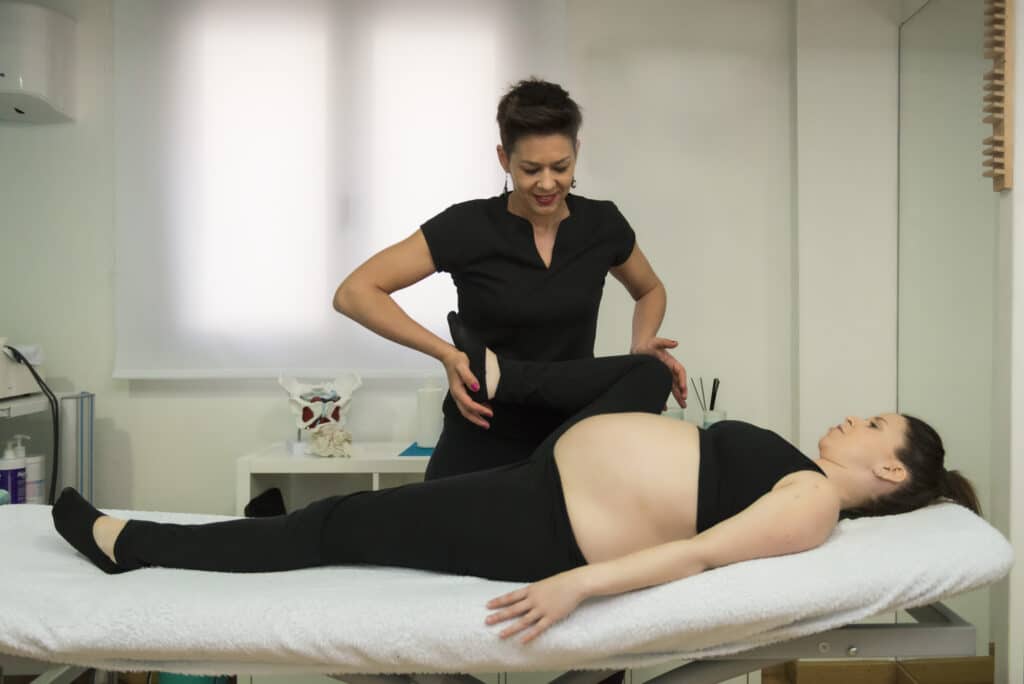
Clamshell exercises focus on the smaller stabilizing muscles around the hips. These muscles play a big role in maintaining proper alignment. Strengthening them can improve balance and reduce unnecessary pressure on the joints.
Side-Lying Leg Raises
This movement targets the outer hips and helps build strength that supports everyday activities like walking and standing. It is especially helpful for improving stability and preventing further irritation.
Bodyweight Squats
When done with proper form, squats can strengthen the entire lower body, including the hips. They encourage healthy movement patterns and help the hips function more efficiently during daily tasks.
How Chiropractic Care Enhances Results
While exercises and stretches are incredibly helpful, they are even more effective when combined with chiropractic care. Adjustments can help improve joint alignment, reduce pressure, and restore proper movement in the hips and surrounding areas.
At Grant Chiropractic, care plans are tailored to each individual. This means your exercises and treatments are designed specifically for your needs, helping you get better results faster. By addressing both the symptoms and the underlying cause, chiropractic care creates a more complete approach to healing.
When to Seek Professional Help
Not all hip pain goes away on its own. If your discomfort is persistent, getting worse, or limiting your ability to move, it is time to seek professional help. A chiropractor can evaluate your condition, identify the source of the problem, and recommend a treatment plan that works for you.
Ignoring pain or pushing through it can sometimes make things worse. Getting the right guidance early on can help prevent more serious issues down the road.

Why Choose Grant Chiropractic
Grant Chiropractic focuses on helping patients find relief through non-invasive, personalized care. Our approach combines hands-on adjustments with practical guidance, including exercises and stretches that you can do at home.
With experience in treating musculoskeletal issues like hip pain, our team works to not only relieve symptoms but also improve long-term function. The goal is to help you move better, feel better, and get back to doing the things you enjoy.
If you are ready to take the next step, schedule an appointment with Grant Chiropractic. Our team can create a personalized plan to help you find lasting relief and get back to moving comfortably.


