
Have you ever felt a sharp, electric “zing” shoot from your neck down into your arm? Maybe it feels like your arm is falling asleep, your fingers are tingling, or you just can’t seem to get comfortable no matter how you position yourself.
If so, you’re not alone. This is one of the most common complaints we see in our office.
Many patients walk through the door saying, “I think I have a pinched nerve.” And they may be right—but sometimes the real culprit is something that looks very similar: brachial plexus neuropathy.

These two conditions can be like two different roads leading to the same destination. They can both create arm pain, numbness, tingling, and weakness, but the source of the problem is different. And just like using the right map helps you reach your destination faster, finding the right diagnosis is the key to getting the right treatment.
Let’s break down the difference.
What is a Pinched Nerve?
Imagine the nerves leaving your spine are like electrical cables carrying messages between your brain and your body. If one of those cables gets squeezed, irritated, or “pinched,” the signal doesn’t travel the way it should.
A pinched nerve occurs when pressure is placed on a spinal nerve. This pressure can come from several sources, including:
- A bulging or herniated disc
- Bone spurs from arthritis
- Inflamed tissues
- Stiff or restricted spinal joints
- Previous injuries or trauma
One of the most common places for a pinched nerve to occur is in the neck (cervical spine). When a nerve exiting the neck becomes irritated, the pain doesn’t always stay in the neck. In fact, your neck may feel fine while your arm is the part complaining!
Symptoms may travel into the:
- Shoulder
- Upper arm
- Forearm
- Hand
- Fingers
Common signs of a pinched nerve include:
- Sharp, burning, or shooting pain
- Tingling or “pins and needles”
- Numbness
- Muscle weakness
- Symptoms that change with certain neck movements or positions
Poor posture, repetitive activities, arthritis, sports injuries, and automobile accidents can all contribute to nerve irritation. The good news is that many people improve with conservative chiropractic care, especially when the problem is addressed early.
What is Plexus Neuropathy?

Now let’s talk about a condition that can be a little more mysterious: brachial plexus neuropathy.
Instead of the problem starting at the spine, this condition involves a network of nerves located between your neck and shoulder called the brachial plexus.
Think of the brachial plexus like a busy highway interchange. Several “nerve roads” come together from the lower neck, merge, split off, and travel down into your shoulder, arm, and hand. This nerve highway allows your brain to communicate with your muscles and receive information like touch, temperature, and pain.
When this nerve network becomes irritated, stretched, compressed, or inflamed, the messages traveling along that highway can become disrupted.
The result?
Your arm may start sending out some confusing signals:
“Something hurts!”
“Something is tingling!”
“Why does my hand feel numb?”
“Why does my grip feel weaker?”
The symptoms can look almost identical to a pinched nerve, even though the problem isn’t coming from the spine.
Plexus neuropathy can occur from:
- Falls, sports injuries, or automobile accidents
- Stretching or trauma to the shoulder area
- Heavy backpacks or prolonged pressure on the shoulder
- Surgical complications
- Inflammation or certain medical conditions
- Less commonly, tumors or radiation treatment
So How Do You Tell the Difference?
This is where a thorough examination becomes extremely important.
A good evaluation looks at the entire picture, including:
- Your history and how the symptoms started
- Orthopedic testing
- Neurological testing
- Muscle strength and reflex changes
- Range of motion
- When necessary, diagnostic imaging or additional testing
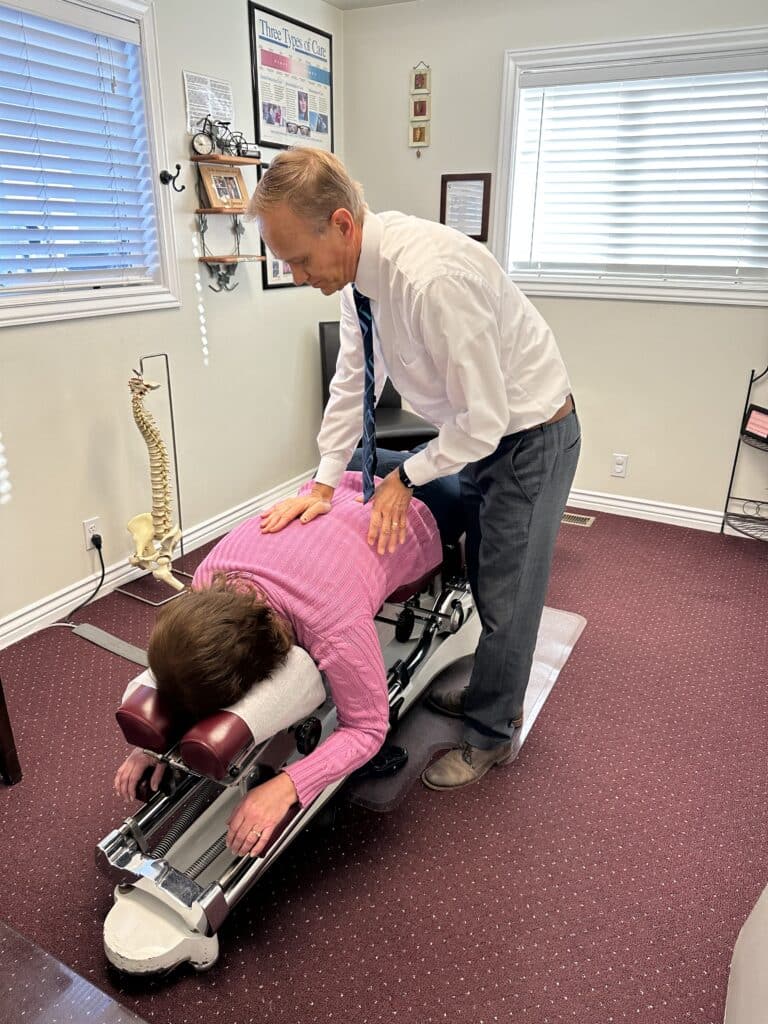
Because two different problems can create similar symptoms, proper diagnosis dictates proper care—and proper care gives you the best opportunity for recovery.
How Can Grant Chiropractic Help?
At Grant Chiropractic, we combine years of experience, advanced training, and modern technology to help determine what is causing your symptoms and create a personalized treatment plan. Our goal is to help you get better without relying on unnecessary drugs or surgery whenever conservative care is appropriate.
Your care may include chiropractic adjustments, therapeutic exercises, soft tissue therapies, and other supportive treatments designed to help restore proper movement and function. We also provide home care exercises so you can become an active participant in your recovery, build strength, and maintain your progress long after you leave our office.
If your arm is sending you warning signals, don’t ignore them. Find out what’s really causing the problem, and contact Grant Chiropractic today to take the first step toward getting back to doing the things you enjoy.


