Benefits of Chiropractic Care Health News Blog FAQS
Chiropractor Kaysville Utah

Grant Chiropractic

(801) 682-4003

280 West 200 North

Kaysville, UT 84037

Appointment Request
  • HOME
  • CHIROPRACTIC SERVICES
    • Whiplash Treatment
    • Auto Injuries
      • Auto Injury FAQ’s
      • Auto Accident Checklist
    • Back Pain
    • Neck Pain
    • Hip Pain
    • Headaches
    • Sciatica
    • Scoliosis
  • NEW PATIENTS
    • Your First Visit- Chiropractic Care
    • New Patient Forms
  • About Us
    • Todd N. Grant DC – Chiropractor
    • Over 100 Years of Chiropractic
    • Testimonials – Chiropractor
    • FAQ’S
    • Resources
      • About Chiropractic
      • Benefits of Chiropractic
      • What are Adjustments
      • Blog
      • COVID-19 Policy
  • CONTACT US
    • Make an Appointment

Does a Chiropractic Adjustment Hurt?: What You Should Know

Home | Archives for Todd Grant | Page 6

It is a common thought to wonder if it hurts to get a chiropractic adjustment. With all the videos on the internet of chiropractors creating loud cracks from the adjustment, people don’t know much about adjustments other than the scary sounds. 

chiropractic adjustment

What is a Chiropractic Adjustment Good For?

Chiropractic adjustments can be very beneficial for the recipient to relieve back pain and improve flexibility and mobility. For those who have never received an adjustment, stepping into the office can be intimidating, so learning more about the process can relieve nervousness and let the experience be a positive one.

A chiropractic adjustment is meant to apply controlled and sudden force to a spinal joint in order to realign the spine. Adjustments are great for people with various different problems and reasons. Individuals who suffer with back pain, neck pain, headaches and migraines, sports injuries, automobile accident injuries, and other problems can have their pain improved by having a chiropractic adjustment. 

What to Expect at an Appointment

Each chiropractic adjustment is personalized and specific to the patient. The chiropractor will talk with the patient and learn about their current medical situation to prevent any unnecessary pain and determine the best approach. The chiropractor may also adjust their technique based on the health of the patient. For example, pregnant women may be positioned differently to maximize the experience.

If the adjustment is performed by an experienced professional, the process should be comfortable and painless. The chiropractor will have you lay down on a table with your back facing towards him and then proceed with the adjustment. He will usually tell you what he is doing so you aren’t surprised when he applies force to your back.

Although most of the adjustment process is in the hands of the chiropractor, there is something you can do to improve the experience. Patients who are too tense can create tightness in the back that may create pain, and it can prevent the proper alignment from forming. Try to relax and breathe during the adjustment so your muscles aren’t tight and your back can be properly realigned. With the combination of skilled professionals and relaxation, there should be no pain during the adjustment.

Shoulder Pain Kaysville Utah, chiropractic adjustment

Why the Loud Pops?

Now onto the scary popping sounds. These loud pops happen as the vertebrae adjust into their proper place. Tiny pockets of gas between the joints are released, which results in the same sound you hear when “popping” your knuckles. This is completely normal to experience when receiving a back adjustment and is not cause for concern. It is also okay to not hear a popping sound. The sound is not indicative either way that the adjustment was performed correctly.

Can an Adjustment Make You Feel Worse?

Once the adjustment is complete, you should feel revived. The initial release of pressure of the spine is relieving and should make your back feel loose. Although the initial feeling is loose, your body may need some time to get used to the new adjustment of your muscles and bones. 

Subsequently following the appointment, your back and neck will be sore from the inflammation, similar to a sore feeling like you haven’t worked out in a while. Icing sore areas can relieve pain and calm down inflammation.   

Another side effect that some people may experience is illness in the immune and digestive systems. The adjustment may improve nerve communication, which promotes the immune system to function better. This may cause some initial sickness as the body adjusts to the improved nerve communication. The digestive system can also be affected by adjustment, although it is not a common side effect.

Chiropractic adjustment, Treatment Kaysville UT

Preventative Measures You Can Take

There are some preventative measures you can take to ensure the most optimal experience at the chiropractor’s office. Drinking plenty of water before and after the adjustment helps the body flush out toxins, and lubricates the muscles and joints. You should also plan time to rest and recover after the adjustment. It may be tempting to push through any soreness or pain, but giving yourself adequate recovery time will help you heal faster.

It’s easy to wonder if a chiropractic adjustment will hurt, but the pain that follows the treatment won’t last forever. The most important thing to remember with a chiropractic adjustment is that it is designed to restore the body’s alignment. Oftentimes this means that multiple treatments are needed to maintain the alignment. With consistent care, your back can have a new healthy normal and feel amazing. 

Filed Under: Chiropractor

Uninhibited and pain free movement in the shoulders, arms, and hands is something we all too often take for granted. We rely on our upper extremities for everything, but that blithe reliance can work against us in cases of nerve damage and neuropathy. Here at Grant Chiropractic, we are happy to help those suffering from brachial plexus neuropathy. Dr. Grant can treat patients with the condition whether it is the result of an accident or a chronic concern.

kaysville chiropractor grant chiropractic, brachial plexus neuropathy

What Is Brachial Plexus Neuropathy?

Brachial plexus neuropathy is a form of peripheral neuropathy that occurs when the brachial plexus is damaged. The brachial plexus is a network of nerves that provides sensation and movement to the shoulder, arms, and hands. Any damage to that network can limit movement, minimize feeling in the arm and shoulder, and inspire pain.

Symptoms

The most common symptom of brachial plexus neuropathy is numbness in the affected region (shoulders, arms, or hands). Along that same line, the upper extremities can experience debilitating weakness. In more extreme cases, the numbness may be replaced with pain that feels like tingling or burning. Patients may also feel abnormal sensations in the shoulders, arms, wrists, or hands. 

Causes

Brachial plexus neuropathy is generally caused by one of two issues: a herniated cervical disc in the neck or thoracic outlet syndrome.

Herniated Cervical Disc

The spine is made up of bones (vertebrae) and the rubbery cushions (disks) that sit between them. These discs have been compared to jelly donuts. The exterior, the annulus, is similar to a tough rubber, supporting the vertebrae and keeping them from scraping against each other. The interior, the nucleus, is much more pliable, often compared to jelly.

A herniated disc (also called slipped or ruptured discs) occurs when the nucleus pushes through a tear in the annulus. When this happens, the disc often puts unnatural pressure on the spinal cord, causing neuropathy. While herniated discs happen most frequently in the low back, they can happen anywhere along the spine. The cervical discs are in the neck and chiefly affect the shoulders and arms.

Thoracic Outlet Syndrome

The term thoracic outlet syndrome (TOS) describes a group of disorders that occur when the nerves or blood vessels between the collarbone and first rib (the thoracic outlet) are compressed. Thoracic outlet syndrome is often the result of an injury, perhaps sustained on the field or in an auto accident. It can also be caused by congenital conditions—such as having an extra rib—and pregnancy. In some cases, the cause of the condition may be unknown. 

Because the nerves in cases of thoracic outlet syndrome are compressed, affected patients may suffer from neuropathy of the brachial plexus or other areas.

Diagnosing

Neuropathy of the brachial plexus can be diagnosed through clinical examination and tests, including ultrasound, chest x-ray, and MRI of the head, neck, and shoulder. However, sometimes a simple examination of the arm, hand, and wrist can reveal a problem with brachial plexus nerves without all the fuss. 

Treating Brachial Plexus Neuropathy

Fortunately, the prognosis for neuropathy patients is generally promising, especially if the condition is identified and treated early on. If the underlying cause is not identified or treated in time, the result may be prolonged nerve pain and partial or complete loss of movement or sensation. Patients should seek help as soon as they experience symptoms.

The treatment for brachial plexus neuropathy is most effective when it is geared toward treating the underlying cause of the condition. Occasionally the problem will resolve itself on its own, though it is wise to seek professional help. A general practitioner is likely to recommend braces, splints, physical therapy, or even surgery in addition to prescribing pain medication. A chiropractor, on the other hand, will have effective natural strategies that get to the root of the issue.

Chiropractic Kaysville UT Spinal Adjustments

Neuropathy Caused by Herniated Disc

Those suffering from brachial plexus neuropathy caused by a slipped disc will find that chiropractic care is the best solution. A chiropractor can deliver spinal adjustments and decompression services that help restore the disc to its proper position and relieve the pain caused by misalignment. Such procedures are mechanical, delivered either by chiropractic instrument or by the chiropractor’s hands, and nonsurgical. This means that they are safer and that the initial relief is essentially instantaneous instead of waiting months for recovery.

Electrical stimulation, functional stretching, and trigger point myofascial release are also highly effective methods for relieving neuropathy pain. As a doctor of the spine, a chiropractor helps patients take care of their bodies to avoid further injury in the future.

Neuropathy Caused by Thoracic Outlet Syndrome

If your brachial plexus neuropathy is the result of thoracic outlet syndrome, chiropractic adjustment can provide relief. The process is natural, simple, and straightforward, and the result is restoring the skeleton to its proper alignment, again protecting the brachial plexus. A chiropractor is also likely to recommend stretching and myofascial release of the anterior scalene muscles.

Filed Under: Chiropractor

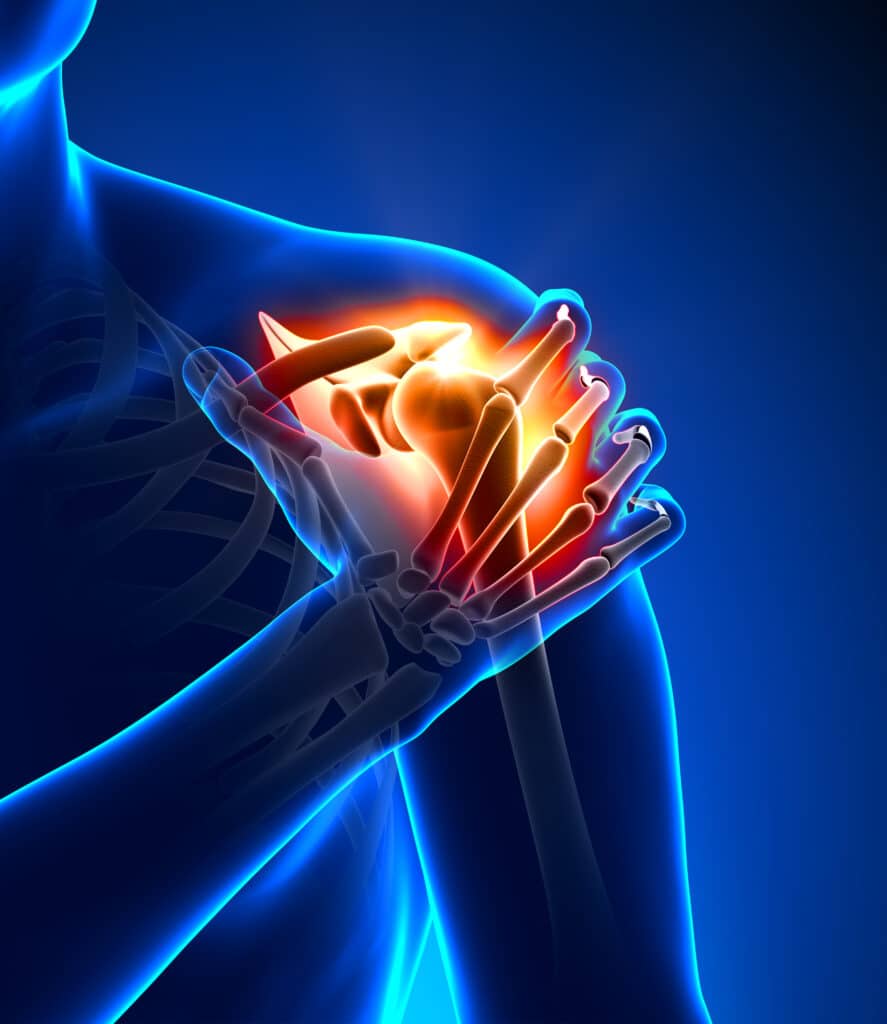
Shoulder injuries are no laughing matter. They can seriously inhibit daily activities and lead to a lot of pain besides. Chiropractic care for shoulders is the best way to avoid pain and keep yourself healthy and strong.

Shoulder injuries

Chiropractic for Shoulders

While many people think that chiropractors only treat the spine, the truth of the matter is that chiropractors have a keen understanding of both the skeletal and nervous systems and can provide relief to other areas of the body. 

The shoulder is the body’s largest joint and is very complicated. This allows it to provide such a wide range of motion. Shoulder injuries are common because the joint is so intricate and is put to such frequent use. They often follow sports or other athletic activity, vehicular accidents, and even sitting at a desk.

Shoulder pain can seriously disrupt your daily quality of life, and you do not simply have to grin and bear it. Chiropractic care can correct shoulder injuries naturally without the need for surgery

Teen Girl having chiropractic back adjustment. Osteopathy, Physiotherapy, Kinesiology. Bad posture correction. Shoulder injuries

What Shoulder Injuries Do Chiropractors Treat?

Shoulder injuries manifest in many different ways, but these are some of the most common:

  • Frozen shoulder—Technically termed adhesive capsulitis, frozen shoulder results in thickened and tightened connective tissue near the shoulder joint. Frozen shoulder commonly occurs after shoulder injuries and limits the joint’s range of motion. 
  • Arthritis—Arthritis is a common condition in adults, with a recent conservative estimate indicating 54 million cases in the United States. The symptoms are inflammation and joint pain. Some strains of arthritis, i.e. rheumatoid arthritis, are the result of autoimmune disorders, while others like osteoarthritis follow common wear and tear.
  • Tendonitis—Tendonitis of the shoulder leads to irritation and inflammation in the rotator cuff tendons or biceps. Tendonitis most commonly affects those whose work includes repetitive motions, not excluding practicing athletes. Tendon injuries are notoriously painful and slow to heal.
  • Bursitis—The bursa is a fluid-filled sac which is designed to protect the tendons. Inflammation or irritation of the bursa is referred to as bursitis. It can result in pain and serious restriction of the shoulder joint and can even be a precursor for frozen shoulder.
  • Pinched nerve—Pressure on the nerves in the neck or shoulder (perhaps as the result of another condition) can lead to pain, numbness, and tingling in the upper extremities.
  • Rotator cuff injuries—The rotator cuff is a group of muscles and tendons that surround the shoulder joint, attaching the humerus to the shoulder blade and facilitating the lift and rotation of the arm. Injuries to the rotator cuff include everything from mild irritation to sprains to serious tears. The injury can come on gradually with regular wear and tear or result from a trauma like the collision of a vehicle or another athlete.
  • Dislocation—Dislocated joints can follow heavy impacts. When the dislocation is in the shoulder, the humerus pops out of the glenoid cavity. The subsequent pain is sharp, and if the nerves are pinched in the impact, numbness may follow. An AC joint subluxation describes a partial dislocation of the shoulder. Once a bone becomes dislocated, the risk of future dislocation is significantly higher. 

How Does a Chiropractor Fix Shoulder Pain?

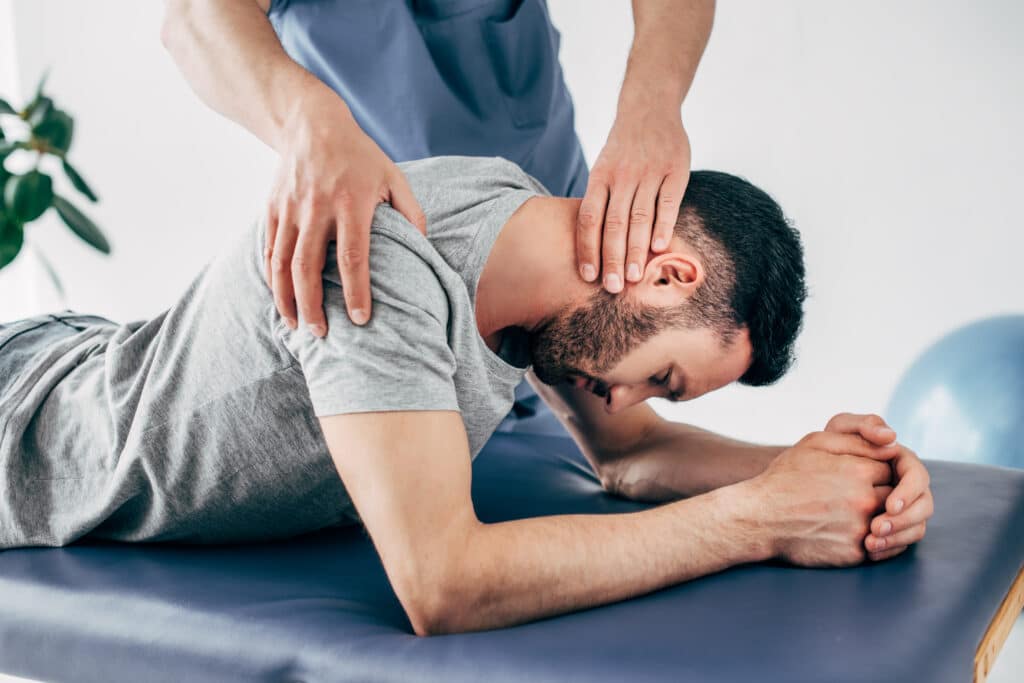
Once a chiropractor has determined the source of shoulder pain, then it is time to get to work. A chiropractor understands that shoulder injuries often stem from other physiological issues, even in other locations like the spine. Damage to the neck or even rib cage can lead to pain or discomfort around or in the shoulder. A chiropractor treats the body like the interconnected system that it is, offering holistic relief. 

Chiropractor massaging shoulder and neck of man on Massage Table in hospital
Shoulder injuries

A chiropractor focuses on overall wellness, not just relieving pain. If pain in the shoulder is caused by misalignment to the spine or neck, perhaps the result of a car accident, your chiropractor can adjust the alignment, restoring proper nerve, skeletal, and muscular function for overall relief. 

This holistic approach is well-understood to be effective. A study conducted in 2012 indicated that chiropractic treatment for frozen shoulder yielded 82% complete recovery. Our Dr. Grant can restore up to a 10 degree improvement in range of motion with just one visit.

Consulting a chiropractor for shoulder injuries has the added benefit of professional and individual strategies for strengthening the joint for the future. A chiropractor will never rattle off a list of pain medications and send you out the door. When you work with a chiropractor regularly, you can strengthen your shoulders and spine, reducing your risk of injury in the future. 

How to Avoid Shoulder Pain

While it is impossible to plan for every shoulder pain contingency, you can minimize your risk of further damage by strengthening your shoulders and improving their flexibility. Neck release stretches can keep your shoulder muscles and ligaments loose while regulated lifting exercises can strengthen them. Work with your chiropractor to find the best exercises and stretches for you.

Filed Under: Chiropractor

« Previous Page
Next Page »

GRANT CHIROPRACTIC

280 W 200 N
Kaysville, UT 84037
801-682-4003
Monday 8:00 AM - 6:00 PM
Tuesday 8:30 AM - 6:00 PM
Wednesday 8:00 AM - 6:00 PM
Thursday 8:00 AM - 6:00 PM
Friday 8:30 AM - 2:00 PM
Saturday Closed
Sunday Closed

Directions

Contact Us

Terms of Service & Privacy Policy

FOLLOW US

Grant Chiropractic - Facebook Grant Chiropractic - Google Grant Chiropractic - YouTube Grant Chiropractic - YouTube Grant Chiropractic - YouTube

2026Grant Chiropractic | All Rights Reserved | Privacy Policy | Terms | Accessibility | Anti-Discrimination | Healthcare Disclaimer | HIPAA Privacy Policy | XML Sitemap | Sitemap | Site by PDM