Benefits of Chiropractic Care Health News Blog FAQS
Chiropractor Kaysville Utah

Grant Chiropractic

(801) 682-4003

280 West 200 North

Kaysville, UT 84037

Appointment Request
  • HOME
  • CHIROPRACTIC SERVICES
    • Whiplash Treatment
    • Auto Injuries
      • Auto Injury FAQ’s
      • Auto Accident Checklist
    • Back Pain
    • Neck Pain
    • Hip Pain
    • Headaches
    • Sciatica
    • Scoliosis
  • NEW PATIENTS
    • Your First Visit- Chiropractic Care
    • New Patient Forms
  • About Us
    • Todd N. Grant DC – Chiropractor
    • Over 100 Years of Chiropractic
    • Testimonials – Chiropractor
    • FAQ’S
    • Resources
      • About Chiropractic
      • Benefits of Chiropractic
      • What are Adjustments
      • Blog
      • COVID-19 Policy
  • CONTACT US
    • Make an Appointment

Exploring the Berlin Consensus’ 11 Rs of SRC Management

Home | Archives for Todd Grant | Page 7

Last month, we discussed the details of traumatic brain injuries and sports-related concussion (SRC). The topic is one of great import among physicians, and a regular conference is held in Berlin to examine the most current research and come to conclusions. The Berlin Consensus has given “11 R’s of SRC Management,” and here we explore each of them in greater depth.
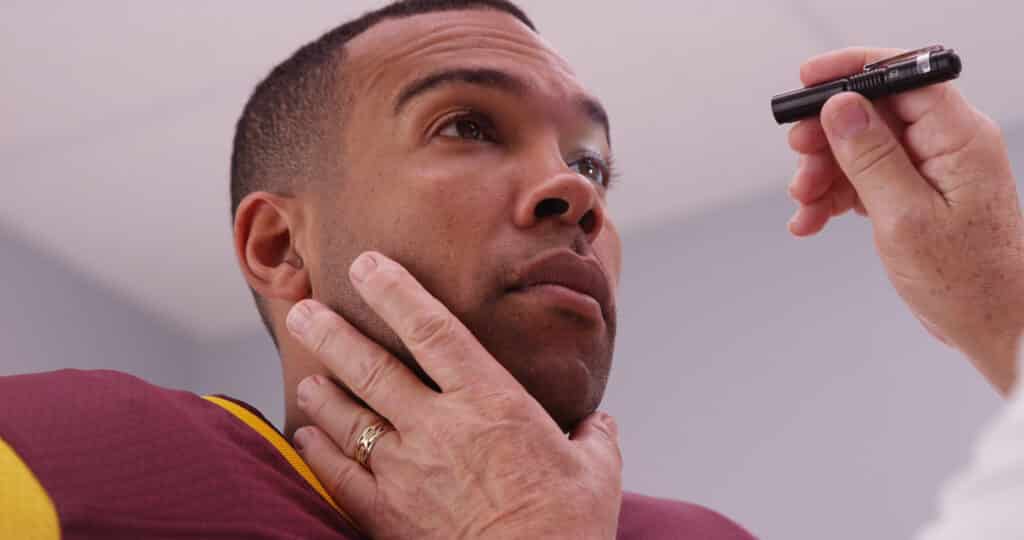
Mid aged doctor checking football player's eyes with flashlight. SRC Management

Recognize

The first step of SRC management is to recognize the problem. Unfortunately, there is no perfect diagnostic test for immediate diagnosis of concussion in sporting environments. Most sports related concussions do not present frank neurological signs, and it can be difficult to recognize concussion immediately after an inciting event. 

To recognize SRC, we must first clarify that it is often defined as the representation of immediate and transient symptoms of traumatic brain injury (TBI). Unfortunately, this definition can only take physicians so far. While on-hand physicians should consider the symptoms, they should recognize that sometimes they do not manifest immediately. One response to be cautious of is the bilateral fencer response, in which the athlete’s arms are held rigidly in the air after impact. This posture is an indication of traumatic brain injury and usually only lasts a few seconds.

More serious abnormal involuntary physical responses include Decorticate (Flexor Posture) and Decerebrate (Extensor Response). The former manifests as rigidly straight legs, clenched fists, and arms bent to hold the hands at the chest, and the latter sees the upper extremities and head extended and the back arched. The flexor posture following TBI has only a 37% survival rate, and the extensor response’s survival rate is a mere 10%.

Remove

An athlete who is suspected to have concussion must be removed from play and from the field, court, or track in order to benefit from further SRC management strategies. He or she should undergo medical assessment and monitoring for deterioration without delay. Preliminary first aid should be administered, and SCAT5—a standardized tool for evaluating concussions—performed.

SCAT5 is used as a screening evaluation in the diagnosis of sports-related concussion. It does have a limited role in tracking recovery, so it should not be used by itself to make or exclude the diagnosis of concussion.

Only trained professionals should move the athlete or remove the helmet or other equipment. The evaluation should be performed by a physician or other healthcare professional. After the injury, the player should not be left alone. Monitoring should be constant. If concussion is diagnosed, the athlete should not be allowed to return to play until the concussion has abated.

Re-Evaluate

In the ER or a doctor’s office, further evaluation should be performed. This should take into account medical history, the improvement or deterioration from the time of injury, a neuropsychological assessment, and a neurological examination, including cognitive fxn, mental status, vestibular function, sleep/wake disturbance, ocular function, gait and balance.

A concussed soccer player seeks help at the doctors office. SRC Management

Rest

Rest is the most commonly prescribed intervention for SRC management, despite the lack of evidence that such a prescription is helpful. However, to avoid the risk of exacerbating the damage, patients should refrain from activity for at least 48 hours. Rest can ease discomfort during the recovery period by mitigating symptoms and minimizing the demands on the brain.

Rehabilitation

The rehabilitation stage of SRC management is often paired with rest, especially in the initial Berlin Consensus. Athletes should be aware that treatments vary by patient, but careful monitoring is a necessity. 

Refer 

A definition of persistent symptoms is required to describe the failure of normal recovery after an injury to the brain. These “persistent symptoms” encompass a wide array of non-specific post-traumatic symptoms that may be linked to other factors, and they fall beyond the “normal recovery time” for such injuries (>10-14 Days for adults and > 4 weeks for children).

Recovery

Though information exists online that cites a concussion recovery period of 10 days, know that that number is far too low. Most concussed athletes recover—clinically speaking—within the first month of injury. The exact window is highly dependent on the SRC management strategies employed during recovery. Athletes should work with their physicians to track recovery, taking advantage of diagnostic tools such as functional magnetic resonance imaging (fMRI), fluid biomarkers, and transcranial magnetic stimulation.

Return to Sport

The process for concussed athletes to return to sport should be graduated, following a stepwise rehabilitation strategy. Athletes should work with their physicians to follow a timetable that works with their symptoms and recovery speed. The first step recommended is to keep all activity to levels that does not exacerbate symptoms. After a reasonable time, athletes may return to light aerobic exercise and then sport-specific exercise. The fourth stage is non-contact training drills, and the fifth is full-contact practice. Once these stages have been completed incrementally, an athlete is likely to be cleared to return to sport.

Reconsider 

The high incidence of sports-related concussions does not have to be a foregone conclusion. We can adjust the way we play, and schools especially can implement an SRC policy. All athletes, regardless of level of participation, should be addressed with the SRC management strategies outlined in the Berlin Consensus. 
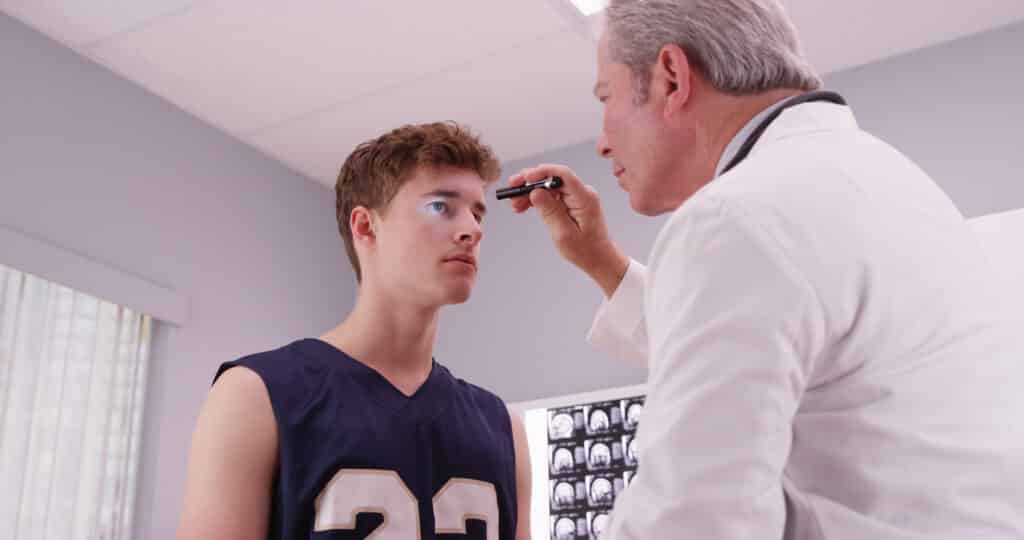
Senior medical doctor checking basketball player's eyes with flashlight. SRC Management

Residual Effects and Sequelae

Further research is required to fully understand the long-term effects of SRC. Though it has been suggested that repeated concussion or subconcussive impacts cause chronic traumatic encephalopathy (CTE), the true relationship between the two remains uncertain.

Risk Reduction

Prevention is the best medicine, the list of SRC management strategies would be incomplete without suggestions for SRC prevention. This includes effective protective equipment, such as helmets (especially common for skiing, snowboarding, and American football) and mouthguards (though the evidence for their effectiveness in preventing SRC is mixed). Preventions can also be behavioral, such as limiting the use of body checking or contact in general during practice.

Prevention begins with understanding the problem, so improving our education about concussions and SRC management plays a critical role in limiting the issue. Further research, especially about the effectiveness of SRC prevention interventions, is a must.
Filed Under: Chiropractor

Traumatic brain injuries are serious threats to individuals’ physical and mental wellbeing. They impact athletes and non-athletes alike, and understanding them is the key to their treatment and prevention. In this article, we discuss the ramifications of concussion/mTBI, its pathophysiology, and the basic tools used to diagnose it. The study and treatment of concussion/mTBI is a rapidly evolving field, and physicians and individuals should stay abreast of current research.

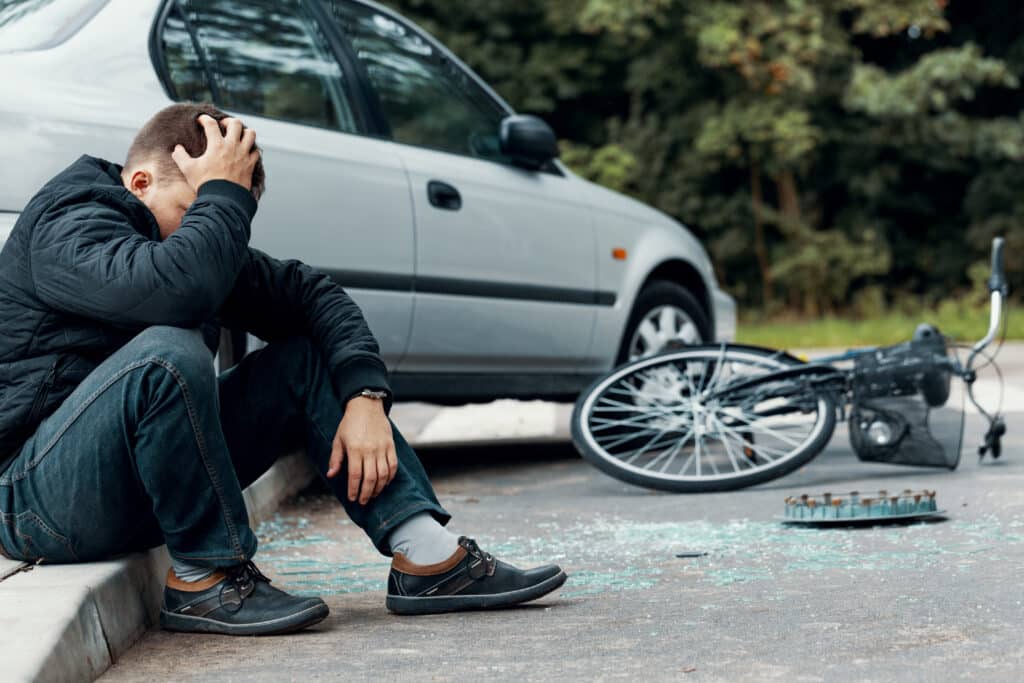
Worried biker holding his head and sitting on a pavement next to a car and bike crash. Concussion/mTBI

The Definition and Classifications of Traumatic Brain Injuries

Traumatic brain injuries (TBI) can follow an impact to the head, such as a blow or jolt, and can cause chemical changes within the brain or damage to brain cells. They vary in severity and are classified accordingly, taking into account how quickly patients can open their eyes, what their vocal responses are like, and how cognizant their motor responses are. The Glasgow Coma Scale (GCS) has historically been a common method for differentiation.

mTBI

mTBI stands for mild traumatic brain injury. “Mild” has less to do with the severity, instead indicating that overt structural brain damage is absent. mTBIs are non-penetrating, functional, and often temporary. They are always not visible on imaging, leading to high incidence of cases which go undiagnosed and untreated. mTBI is the most commonly sustained classification of brain trauma.

A concussion is a functional injury, the mildest form of mTBI. In fact, the two terms are often used synonymously. Which term is used depends chiefly on the kind of literature, sports literature usually defaulting to the term concussion and neurologic literature using “mTBI.” The medical field is in transition, considering “concussion” to be outdated terminology, though the Concussion in Sport Group has recommended that the terms be distinct, with concussion indicating complete recovery and associating mTBI with more persistent symptoms.

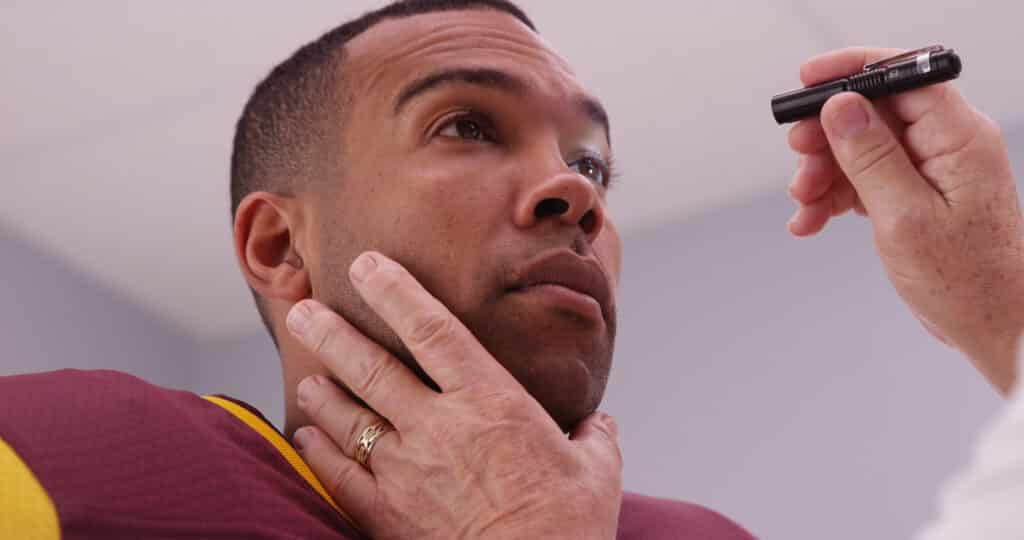
Mid aged doctor checking football player's eyes with flashlight. Concussion/mTBI

MTBI/STBI 

Moderate and severe TBI indicate structural damage that can clearly be seen via imaging. Moderate and severe TBI result in unconsciousness of greater than 30 minutes and amnesia for longer than 24 hours. Their Glascow Coma Scale values fall below 13. Examples include epidural hematoma, subdural hematoma, subarachnoid hemorrhage, intracerebral hemorrhage, and intraventricular hemorrhage.

The Epidemiology of Concussion/mTBI.

Based on available data, there are an estimated 48 million cases of concussion/mTBI in the US each year. 3.8 million of those are sports-related concussions, while 240,000 are the result of motor vehicle accidents. Concussions now represent almost 10% of all injuries for both youth and collegiate players.

The literature—based on reported values—shows that a higher percentage of sports-related concussions are sustained during gameplay than in practice. Men’s rugby is the chief offender, with men’s US football and women’s ice hockey taking second and third place, respectively. The only sport for which the practice rate of concussions appears to be greater than those sustained during gameplay is cheerleading, usually as the result of 2+ level pyramids.

It is estimated that half of all sports-related concussions go unreported, though that figure appears to be shrinking as concussion awareness improves There has been a cultural shift where parents are keeping children out of sports to avoid the risk of concussion. Without other exercise, however, the risk of obesity and other related health concerns increases. 

Research indicates that medical schools do not prioritize recognizing diagnosing concussion/mTBI. Another study performed in 2016 found that knowledge about concussion was comparable between medical students and chiropractic students. There is certainly room for improvement to minimize knowledge gaps. According to the comparison of studies conducted in 2012 and 2018, Canadian medical schools were taking this improvement of the concussion curriculum to heart. 

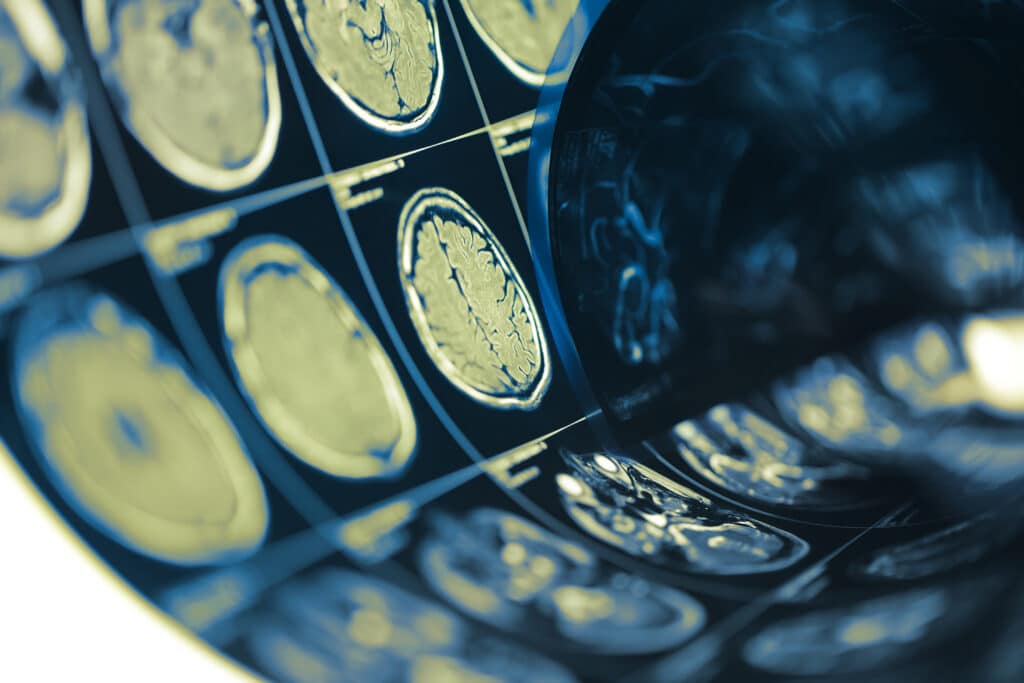
Human brain scan testing film folded in a roll, medical background with space for your design. Concussion/mTBI

The Pathophysiology of Concussion/mTBI 

Concussions have been found (relatively recently) to primarily affect the white matter of the brain. This makes up about 60% of the brain and doesn’t finish developing until after middle age. White brain matter is responsible for communication within the brain and with the rest of the body. 

At the impetus of head injury, a series of neurochemical reactions results in an ion imbalance. This causes neuronal dysfunction and increased activation which creates an energy crisis where ATP cannot be made in appropriate volumes. In cases of severe TBI, the damage to brain cell mitochondria can be permanent. Concussion also affects cerebral blood flow.

The symptoms of concussion are varied and affect different parts of the brain:

  • Physical—headache, dizziness, amnesia, nausea, fatigue, vomiting, blurred vision, tinnitus, sensitivity to light or sound
  • Cognitive—slower reaction times, confusion, “fogginess,” difficulty learning, forgetfulness
  • Emotional and Behavioral—sadness, changes in personality, anxiety, increased impulsivity, easily irritated, increased emotionality, nervousness, depression
  • Sleep—nonrestive sleep, oversleeping, disturbed sleep cycle, difficulty falling asleep

Severity of symptoms are given by the patient on a 0–6 scale. The effects of concussion/mTBI are cumulative. Two trauma events in close temporal proximity increases the risk of irreversible brain damage, especially when the second event is delivered within a period of vulnerability. This makes diagnosing and treating concussion/mTBI properly even more urgent. Athletes and non-athletes should not “shake off” head injuries, instead receiving the proper care and allowing adequate time to heal. The Google-generated recovery estimate of 7–10 days is misinformation.

Filed Under: Chiropractor

Our bones support us, protect our organs, and allow us to be mobile. However, when those bones sustain—or develop—damage, these processes can be inhibited. Bone spurs result from damaged joints more often than most people realize. These growths can cause pain and limit movement if they grow to abnormal size, so they should be managed early on. Here we explore how spurs form, the symptoms they can initiate, and how to treat them.

Gaining a Better Understanding of Bone Spurs
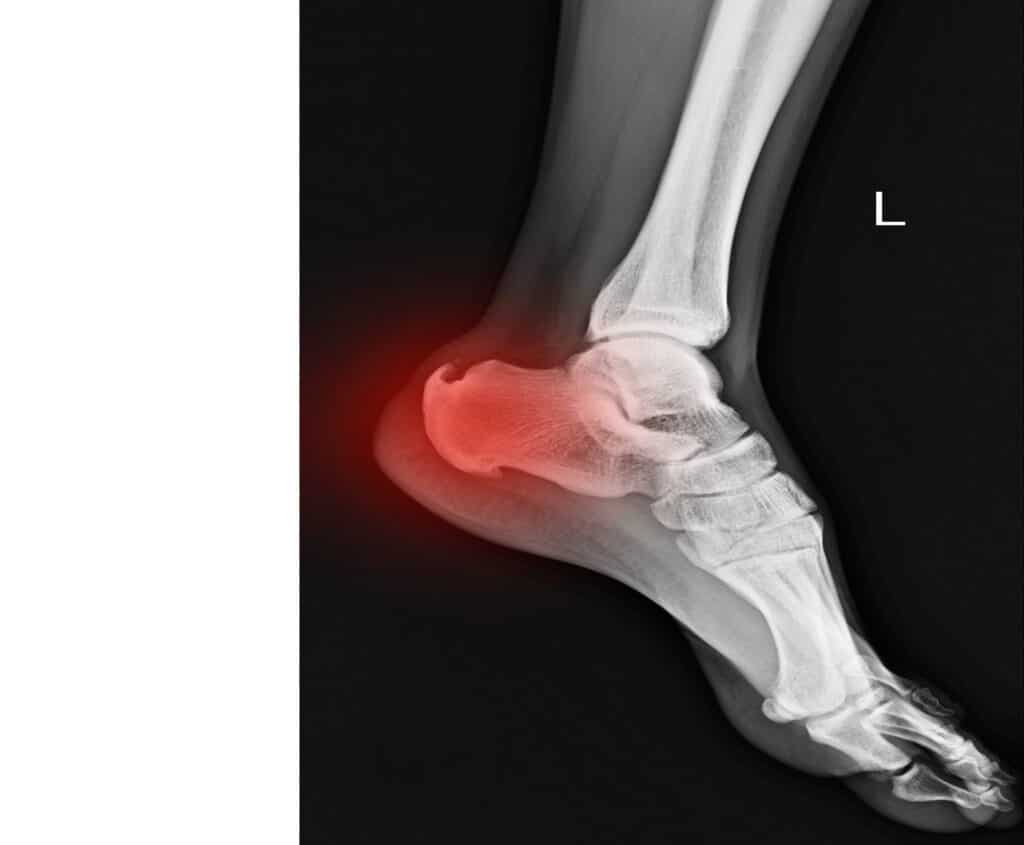
X-ray left foot showing Calcaneal spur on red color with copy space.

What Are Bone Spurs?

Also referred to as osteophytes, bone spurs are bony projections that grow on the fringes of bone. They are most commonly found near joints, especially in the feet, knees, hands, and spine. These bony outgrowths are not inherently painful in and of themselves; in fact, they are part of the body’s healing mechanism. When joints are damaged, the body produces new bone material to repair cartilage, and this is often manifested as spurs. 

Joint damage is the biggest cause of spur formation, though the cause of the damage does vary, including sources within one’s control like diet and overuse and those outside of one’s control (genetics, congenital bone problems, and spinal stenosis). The most prevalent cause of joint damage leading to spur formation is osteoarthritis, the chronic wearing down of cartilage. This correlation may indicate why bone spurs are highly prevalent among the population 50 years and older, affecting about 80% of men and 60% of women.

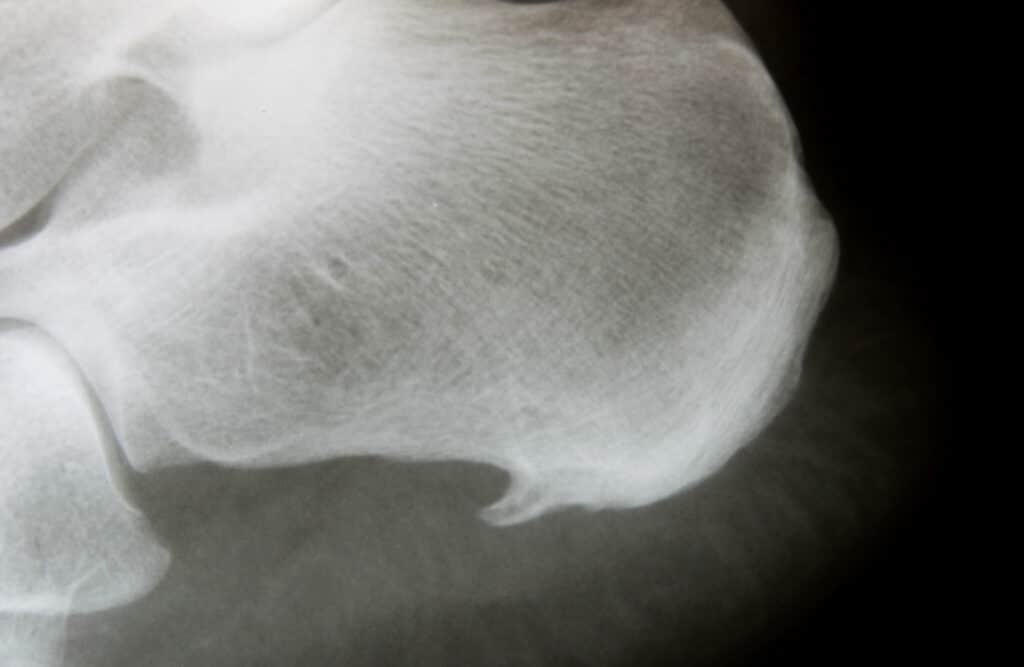
Sometimes bone spurs go undetected without x-ray diagnosis. If they do not press on nerves or other bone, they can be relatively innocuous. If, however, they interact with other parts of the body, such as a spine narrowed by spinal stenosis, the result is usually pain.

Gaining a Better Understanding of Bone Spurs
X-Ray image of heel with calcaneal spur (athlete´s foot syndrome, insertion tendopathy)

Common Symptoms

The best case scenario when an individual has bone spurs is that they simply go unnoticed. If no side effects present themselves, spurs may go undiagnosed and untreated. Sometimes, however, the abnormal bulges can cause trouble. Because spurs usually form in the joints, the result is often the bony mass rubbing against other bones. The exact symptoms that arise are dependent on the location of the spur. 

  • Spurs on the bones of the feet can lead to plantar fasciitis.
  • Spurs near muscle groups can cause spasming, cramping, or weakness.
  • Spurs in the limbs can result in stiffness or limited mobility and even lead to tendonitis or tendon tears.
  • Spurs can sometimes be seen as visible bumps on the extremities.
  • Spurs in the legs can result in weakness or numbness.
  • Spurs that form on the spine can pinch spinal nerves, inhibiting mobility or causing the spine to seize up.
  • Spurs that grow on the spine can also lead to bladder control problems, though this symptom is rare.
  • Spurs can also break off and get stuck in the lining of the joint. When this happens, they are referred to as “loose bodies.” They can lock up the joint, limiting mobility.

Regardless of where they form, spurs can cause pain that isn’t necessary. When any of these symptoms arise, be it pressure on the nerves or restricted movement, it is wise to seek treatment.

Gaining a Better Understanding of Bone Spurs
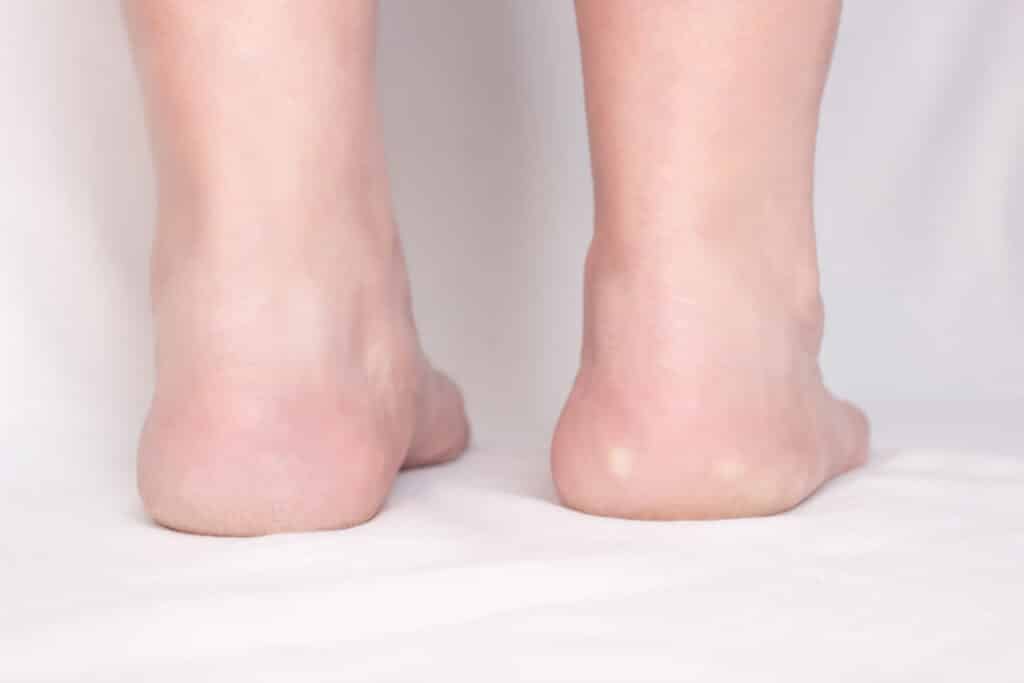
Female feet with spots on a white background with heel spur disease, close-up, plantar fasciitis, osteophyte, inflammation

Treating Bone Spurs

When spur growth makes ignoring them impossible, there are a few methods to treat the problem. The most effective, especially if spur growth is on the spine, is spinal decompression. This natural and noninvasive process can pull the protrusion of bone off of compressed spinal nerves, relieving the pain.

Remedies to “dissolve” bone spurs at home should be treated with healthy skepticism. Strengthening regimes like physical therapy are better based on sound physiological principles and empirical evidence of improving joint strength and range of motion. In very severe cases, a patient may need to undergo surgery to have spurs removed, but this necessity is rare. 

Preventative Care

Prevention is the best medicine, and stopping spurs before they form is no exception. Wearing supportive and good-quality shoes can keep spurs from forming on the bones of your feet, especially if those shoes do not rub against your feet. Be wise in how far you push your body when you exercise or even perform regular tasks. Allow your body time to rest so your joints do not become strained and damaged. 

Vitamin D is an essential nutrient for proper bone formation, and getting sufficient sun and enough calcium in your diet will help to strengthen and protect your bones. By taking good care of your body, you can protect your bones from the worst effects of bone spur formation.

Filed Under: Chiropractor

« Previous Page
Next Page »

GRANT CHIROPRACTIC

280 W 200 N
Kaysville, UT 84037
801-682-4003
Monday 8:00 AM - 6:00 PM
Tuesday 8:30 AM - 6:00 PM
Wednesday 8:00 AM - 6:00 PM
Thursday 8:00 AM - 6:00 PM
Friday 8:30 AM - 2:00 PM
Saturday Closed
Sunday Closed

Directions

Contact Us

Terms of Service & Privacy Policy

FOLLOW US

Grant Chiropractic - Facebook Grant Chiropractic - Google Grant Chiropractic - YouTube Grant Chiropractic - YouTube Grant Chiropractic - YouTube

2026Grant Chiropractic | All Rights Reserved | Privacy Policy | Terms | Accessibility | Anti-Discrimination | Healthcare Disclaimer | HIPAA Privacy Policy | XML Sitemap | Sitemap | Site by PDM