Benefits of Chiropractic Care Health News Blog FAQS
Chiropractor Kaysville Utah

Grant Chiropractic

(801) 682-4003

280 West 200 North

Kaysville, UT 84037

Appointment Request
  • HOME
  • CHIROPRACTIC SERVICES
    • Whiplash Treatment
    • Auto Injuries
      • Auto Injury FAQ’s
      • Auto Accident Checklist
    • Back Pain
    • Neck Pain
    • Hip Pain
    • Headaches
    • Sciatica
    • Scoliosis
  • NEW PATIENTS
    • Your First Visit- Chiropractic Care
    • New Patient Forms
  • About Us
    • Todd N. Grant DC – Chiropractor
    • Over 100 Years of Chiropractic
    • Testimonials – Chiropractor
    • FAQ’S
    • Resources
      • About Chiropractic
      • Benefits of Chiropractic
      • What are Adjustments
      • Blog
      • COVID-19 Policy
  • CONTACT US
    • Make an Appointment

Treating High Blood Pressure with Chiropractic Care

Home | Chiropractor | Page 10

The battle of high blood pressure rages across the United States, afflicting 20–50% of all adults. With numbers like these, it is obvious that treating high blood pressure, especially in more natural ways than medication, should be a top priority.

Treating High Blood Pressure with Chiropractic Care

Defining High Blood Pressure

Blood pressure is a measure of how hard the heart must work to pump blood through the body in combination with the amount of blood available. The harder the heart has to work because of narrow or rigid arteries or the more blood the heart pumps, the higher the blood pressure.

Hypertension, dangerously high blood pressure, is defined by systolic pressures (the higher number) of more than 130 mmHg and/or diastolic pressures (the lower number) of more than 80 mmHg. Hypertension is a common problem, and once a person enters adulthood, blood pressure levels should be checked regularly. Treating high blood pressure becomes more important as a person ages.

The Dangers of Hypertension

High blood pressure has a clear association with life-threatening conditions such as stroke, heart attack, and other cardiovascular disease, which, according to the World Health Organization, causes more than 15 million deaths every year. The danger is two-fold. Hypertension often goes undetected because it rarely produces noticeable symptoms. If symptoms like headaches and nosebleeds do arise, they are frequently dismissed or attributed to something else.

The other factor that makes hypertension so dangerous is that small changes in pressure levels, for example an increase from 115 to 135 mmHg, doubles the risk of a cardiovascular event. The other side of that coin offers hope: often small reductions in blood pressure values can greatly decrease overall risk.

Treating High Blood Pressure with Chiropractic Care

Managing High Blood Pressure

The medical go-to method for treating high blood pressure is medication. Unfortunately, many patients have difficulty adhering to a pharmacological regimen or do not see results when they do. Prescription drugs also come with a slew of unwanted side effects. Fortunately, there are more natural and effective ways to lower blood pressure levels.

Lifestyle Changes

High blood pressure levels have clear links to age, weight, and consumption habits. While you cannot take off years, you can improve your blood pressure levels by watching what you put in your body. Eat moderately, avoiding foods with high sodium content or otherwise rich in saturated fats. Those wanting to improve their blood pressure values should also avoid the use of tobacco and alcohol.

Treating High Blood Pressure with Exercise

Blood pressure can be reduced to healthy levels with even simple exercises and stretches performed properly at home. Consult with your chiropractor about other treatments recommended for you, and remember to record your initial pressure levels before being an exercise routine. This will allow you to accurately track your progress.

Strengthen the Diaphragm

Deep regulated breathing is one of the best secrets for treating high blood pressure. Deep breaths lower the heart rate, dilate the blood vessels, and increase the amount of oxygen in the blood. Controlling your breathing, in addition to improving blood pressure levels, also strengthens the diaphragm, the arcing muscle responsible for the expansion and contraction of a body’s lung capacity.

This exercise is the easiest to perform and requires no additional tools. Simply inhale at 75% of your lungs’ maximum capacity then exhale completely. Repeat the process at least 30 times. Research has indicated that repeating this kind of controlled breathing six days a week for at least six weeks can reduce systolic blood pressure levels by 10 mmHG.

For a modification that is even more effective, you might try adding resistance to your breathing exercises. This can be accomplished by utilizing tools such as the BreathEasy Lung Exerciser, which is readily available commercially. Adding resistance to diaphragm exercises has been shown to reduce systolic levels by almost 16 mmHg and diastolic pressures by roughly 7 mmHg.

Treating High Blood Pressure with Chiropractic Care

Facilitated Stretching

As blood pressure is a measure of how readily blood can move through the arteries, it is no surprise that increasing the flexibility of the femoral and brachial arteries facilitates better blood pressure levels. This can be accomplished through regular stretching such as the reverse warrior yoga pose. 

To perform this full-body stretch without hurting yourself, we recommend using a door frame for support. Stand under the door jam with both feet apart, hips facing toward the room with the chest facing the frame. Extend both arms outward at about shoulder height, holding the door frame with one hand, then raise the other hand toward the ceiling.

Hold the pose for 45 seconds before switching sides. You should stretch each side three times, resting briefly between each repetition to allow the blood to return to your arms. Repeat the exercise several times each week.

Isometric Training

Isometric exercise involves contracting the muscles without visibly changing the angle of a joint. It stimulates muscle activity and blood flow and causes moderate reductions in blood pressure. You can do your own isometric training at home using nothing but two soft foam balls. Squeeze the foam, one ball in each hand, at about 30% effort and hold for two minutes. 

Resting briefly between each repetition, repeat the exercise for a total of four times. Treating high blood pressure with this kind of isometric exercise three times a week can produce systolic reductions of almost 12.5 mmHg and diastolic decrease of 14.9 mmHg.


Filed Under: Chiropractor

Have you experienced a car accident or some other form of trauma to the neck? You may be in danger of whiplash, even if you haven’t yet experienced symptoms. Because the neck is such a pivotal part of living normally without pain, it is vital that whiplash cases be treated right away. Come see our whiplash clinic in Kaysville to ensure you get the treatment you need.

Whiplash Clinic in Kaysville

What Is Whiplash?

Whiplash describes an injury to the cervical spine that follows some kind of accident or trauma. The condition is named for the whip-like movement, back and forth, the neck experiences during the initial incident. This causes the muscles and other soft tissues in the neck to hyperextend or hyperflex. The most common cause of a whiplash injury is rear-end vehicular collisions, but other causes—physical abuse, sports injuries, etc.—are not uncommon.

Whiplash may be called a neck strain or sprain, but these terms are very general and serve as umbrella terms for other types of neck injuries. Diagnosing whiplash requires a physical examination which tests things like range of motion in the neck and shoulders. Unfortunately, whiplash damage is not evident on diagnostic imaging, though tests like X-rays and CT scans can rule out other issues like fractures and other bone damage. 

Symptoms

It is common for whiplash symptoms to develop within several days of the injury. The most common symptoms we see at our whiplash clinic in Kaysville are centered in the neck:

  • Pain and stiffness in the neck
  • Exacerbated pain when the neck moves
  • Limited neck mobility

Other common symptoms include headaches, usually originating at the base of the skull; numbness or tingling in the arms; tenderness radiating from the shoulders and down the upper back or arms; and dizziness or fatigue. If you experience any of these symptoms, seek help right away.

Whiplash Clinic in Kaysville

How Is Whiplash Treated?

In cases of accidents or events that might have caused whiplash, it is important to seek care right away. This is true whether or not symptoms have manifested. Injuries deep within the soft tissues of the neck or to the cervical spine can cause great damage before they even send out pain signals. Visiting a physician can help make sure those problems do not propagate.

The instinctual response for many medical clinics includes prescribing pain medications and muscle relaxants for whiplash-related pain. While these can soothe the worst of symptoms like throbbing and soreness, they do nothing for the underlying damage. At our whiplash clinic in Kaysville, UT, we get to the heart of the problem.

The goals of whiplash treatment are threefold, to control the pain a patient experiences, to restore the neck’s natural range of motion, and to help the patient return to normal activity levels. Treatments are usually multi-faceted and always individually catered, looking at the entire spine as a whole. This is why we offer many resources for treating whiplash at our whiplash clinic in Kaysville, UT.

Manipulation

Spinal manipulation is a chiropractor’s staple for relieving pain. It involves a series of controlled thrusts to restore correct spinal alignment. At Grant Chiropractic, you can rest assured that we always use just the right amount of force to facilitate the body’s natural healing abilities.

Muscle Stimulation and Relaxation

There are many ways to stimulate the cervical muscles to promote natural healing. One such treatment is the use of frequency specific microcurrent (FSM) which uses low-level electrical current to correct cell membrane receptor configurations as part of a cell-signaling process.

Ergonomic Changes

Sometimes rest is the best medicine, especially for muscles and nerves overstimulated with pain. Dr. Grant may advise you to take it easy for a while or even to wear a foam neck brace. Lifestyle choices that are already harmful to the cervical spine, such as hunching over a computer or phone, should especially be avoided during whiplash recovery. It may also be time to find a new pillow.

Whiplash Clinic in Kaysville

Soft Tissue Therapy

Innovations like the administration of cold laser therapy can also help relieve whiplash pain. This treatment energizes the cells in muscles, allowing them to better perform their natural healing responsibilities. 

Therapeutic Massage

Better than a day at the spa, the clinical massage treatments we offer at our whiplash clinic in Kaysville stimulate healing. We always use gentle movements designed to facilitate healing more than to just be relaxing. You can also expect alternating application of heat and cold to reduce swelling.

Exercises

Specially-designed exercises can help restore flexibility to ligaments. This also makes regular exercise a good preventative for the worst of whiplash’s effects because elastic ligaments are less likely to tear than rigid ones during an accident initiating whiplash. Here are some gentle exercises to mitigate whiplash pain:

  • Tilt your head from side to side
  • Bend your neck toward your chest
  • Rotate your neck, doing so in both directions
  • Roll your shoulders

True physical therapy may be necessary for severe whiplash cases.

Grant Chiropractic—Your Whiplash Clinic in Kaysville

Our whiplash clinic in Kaysville, UT is a comprehensive resource for anyone in the area who experiences whiplash symptoms or a whiplash inciting-event. There is no need for you to grin and bear pain after an accident; in fact, doing so will usually make things worse. Come and see us today to start your journey to healing.

Filed Under: Chiropractor

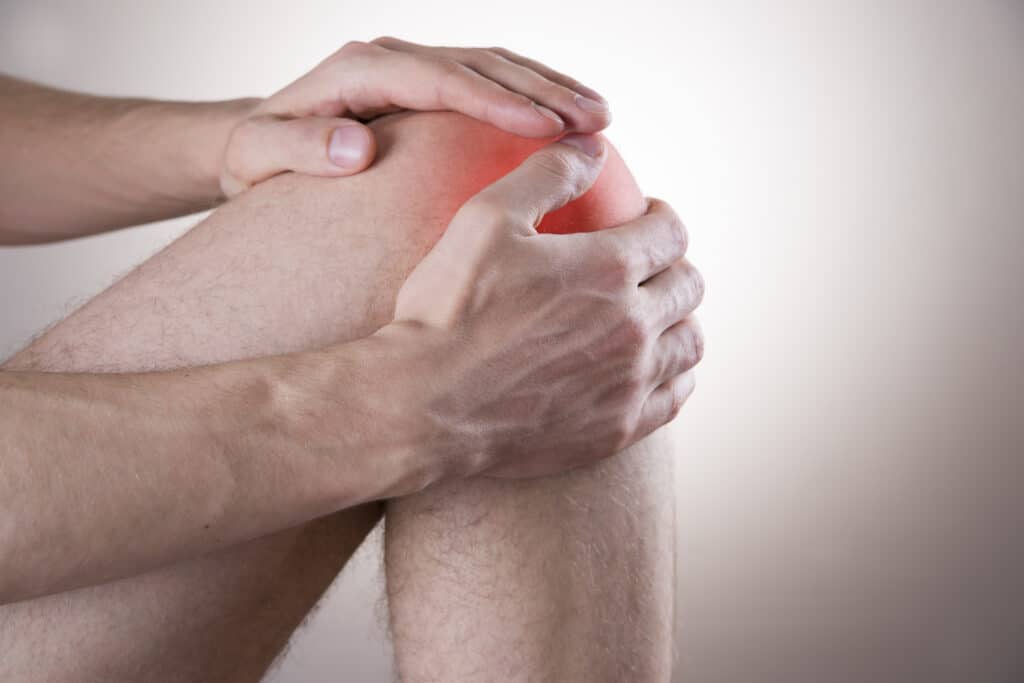
Approximately 25% of people older than 50 suffer from degenerative knee disease, and every year, nearly 800,000 knee replacements are performed in the United States alone. The knee is the most complicated joint in the human body, and because it supports the body’s weight while maintaining mobility, it is no real wonder that knees tend to wear out quickly. The most common treatment, especially in cases of degenerative knee arthritis or meniscal tears, is arthroscopic knee surgery. However, just because one solution is most common does not mean it is most effective.

Arthroscopic Knee Surgery

What Is Arthroscopic Knee Surgery

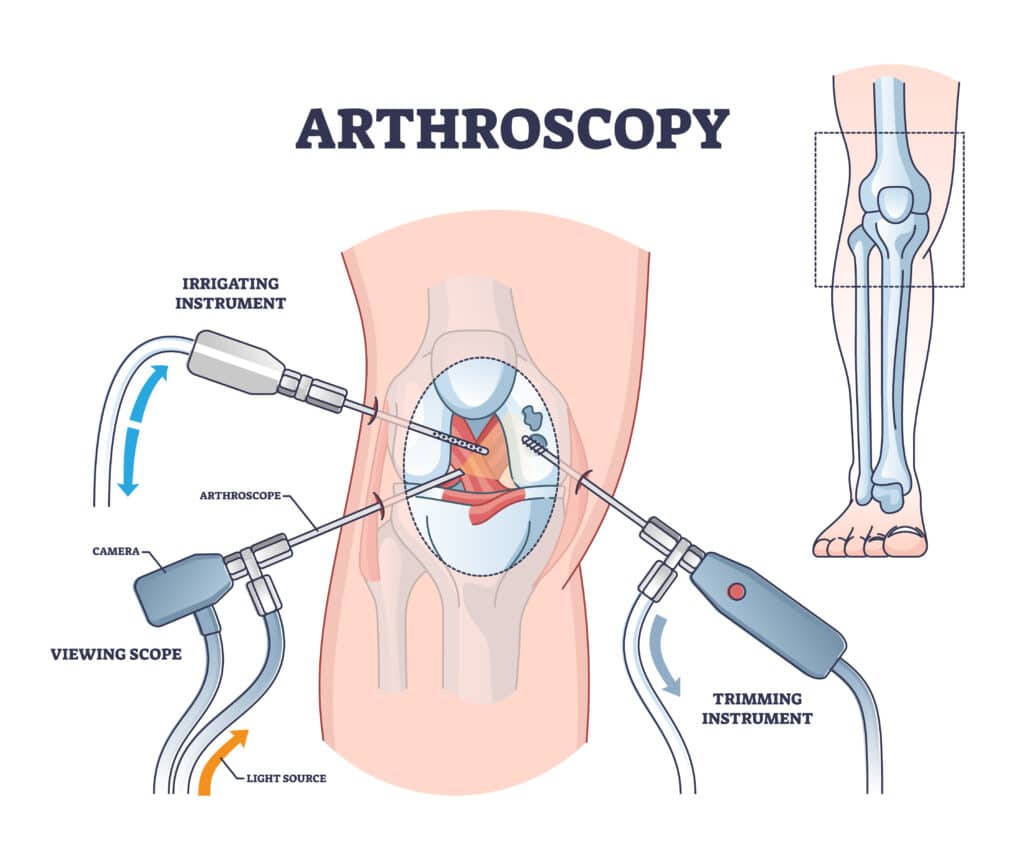
Knee arthroscopy is evidence that medicine continues to evolve. The surgical procedure is less invasive than traditional knee surgery, allowing surgeons to make only minute incisions and still produce results. The incision is small, the tools used are small, and the use of an arthroscope allows the surgeon a clear picture of the inside of the joint with minimal damage to it. 

An arthroscope is a small tube containing a light, a network of mirrors, and a small video camera. It sends images to video monitors, allowing the surgeon to see inside of the knee joint as he or she works. This minimizes the need for extensive incisions and probing.

The Recovery Process

Because arthroscopic knee surgery is less invasive than traditional knee surgery, the recovery process is usually less painful and lasts a shorter time. Patients can usually return to the activities they enjoy after six weeks and during that time have reduced pain, swelling, and joint stiffness. This is only the case if the surgery does not have complications. 

The Risks

With any medical procedure, there is a risk of complications, and arthroscopic knee surgery is no exception. It involves opening the knee joint, exposing it to infection if the necessary precautions fail. Clotting and nerve damage can also follow, resulting in further medical difficulties down the line. If a patient experiences residual pain, swelling, or stiffness beyond what is typical of recovery, there is likely an underlying cause initiated or exacerbated by the surgery.

Arthroscopic Knee Surgery

Comparing Knee Arthroscopy and Noninvasive Treatment

Arthroscopic knee surgery is one of the most common surgeries performed every year, with over two million performed across the world. The procedure has an over 90 percent success rate. However, a growing body of evidence suggests that though knee arthroscopy is highly effective for initial pain management, its results are not sustained, and the benefits of less invasive treatment may outweigh those of the surgery.

Siemieniuk, et al.

In a study published in the British Journal of Sports Medicine in March 2018, Siemieniuk, et al reviewed the benefits of arthroscopic knee surgery in comparison with 13 randomized trials for benefit outcomes (1,668 patients) in addition to 12 observational studies for complications (>1.8 million patients). The review panel included orthopedic surgeons, physiotherapists, epidemiologists, a general practitioner, and other medical professionals in addition to individuals with personal experience of degenerative knee disease.

Their research found that, while arthroscopic knee surgery was successful at the outset, securing initial pain relief for those with degenerative knee conditions, in fact, the results did not last. Fewer than 15% of those studied still saw small improvement three months after their surgery, and no improvement was sustained as long as a year.

Siemieniuk, et al attributed the majority of knee arthroscopy’s success to the natural course of degenerative knee disease, which by nature has fluctuating symptoms and pain levels. Other treatment methods and even placebo effects could also play a role. The only group for whom knee arthroscopy is definitively beneficial includes those with true locked knees, unable to fully extend them.

The conclusion of Siemieniuk, et al is that while there is no evidence of lasting benefits for knee arthroscopy, the risks and burden of recovery are well-documented. Potential benefits do not, therefore, outweigh the risk. Their recommendation is to delay knee replacement as long as possible and instead consult a physician for pain management strategies with more supported positive results.

Arthroscopic Knee Surgery

Physical and Exercise Therapy

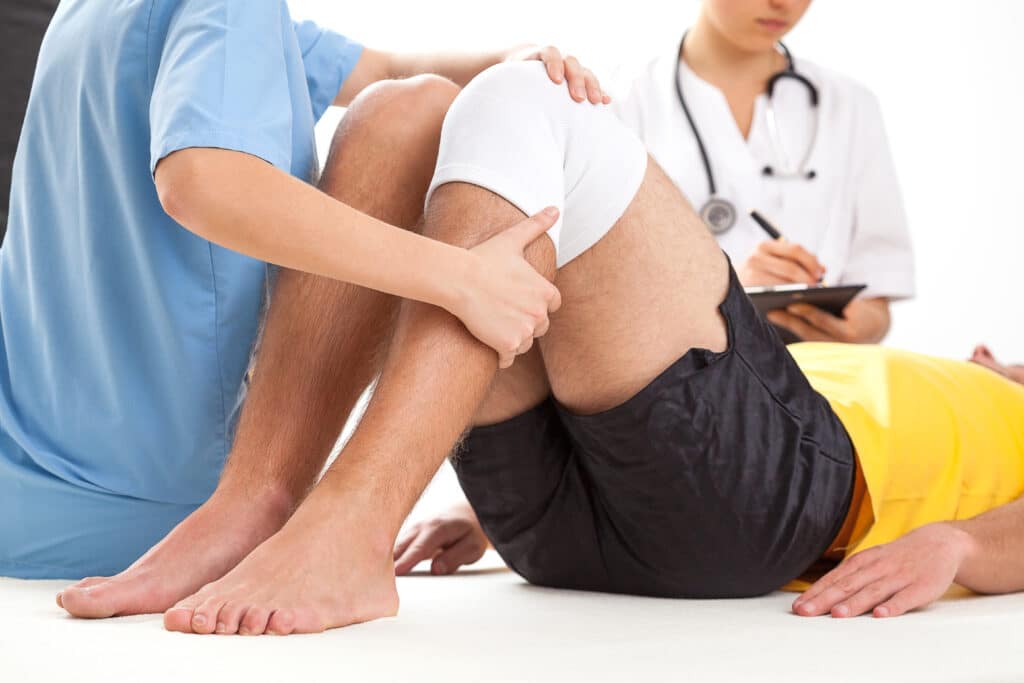
Knee pain tends to improve over time with regular medical care. Physical and exercise therapy provide a means to mitigate knee pain in a non-invasive manner. The extent of their effectiveness is directly related to the underlying cause of knee pain, being more effective for meniscus tears than for chronic conditions. In fact, the study in 2018 found that in cases of degenerative tears of the medial meniscus, knee arthroscopy provided no more relief than did exercise therapy.

Patients suffering from degenerative knee pain should consult with their primary physician and their chiropractor to know which treatment method is right for them. They should also be aware that the benefits of arthroscopic knee surgery do not outweigh the burden of recovery, postoperative limitations, and prospective risks of the procedure, and that a recovery from knee surgery usually includes physical and exercise therapy anyway. Nonsurgical treatment may be the most effective and lasting course to relief.

Filed Under: Chiropractor

« Previous Page
Next Page »

GRANT CHIROPRACTIC

280 W 200 N
Kaysville, UT 84037
801-682-4003
Monday 8:00 AM - 6:00 PM
Tuesday 8:30 AM - 6:00 PM
Wednesday 8:00 AM - 6:00 PM
Thursday 8:00 AM - 6:00 PM
Friday 8:30 AM - 2:00 PM
Saturday Closed
Sunday Closed

Directions

Contact Us

Terms of Service & Privacy Policy

FOLLOW US

Grant Chiropractic - Facebook Grant Chiropractic - Google Grant Chiropractic - YouTube Grant Chiropractic - YouTube Grant Chiropractic - YouTube

2026Grant Chiropractic | All Rights Reserved | Privacy Policy | Terms | Accessibility | Anti-Discrimination | Healthcare Disclaimer | HIPAA Privacy Policy | XML Sitemap | Sitemap | Site by PDM