
Benefits of Chiropractic Care Health News Blog FAQS
Chiropractor Kaysville Utah

Grant Chiropractic

(801) 682-4003

280 West 200 North

Kaysville, UT 84037

Appointment Request
  • HOME
  • CHIROPRACTIC SERVICES
    • Whiplash Treatment
    • Auto Injuries
      • Auto Injury FAQ’s
      • Auto Accident Checklist
    • Back Pain
    • Neck Pain
    • Hip Pain
    • Headaches
    • Sciatica
    • Scoliosis
  • NEW PATIENTS
    • Your First Visit- Chiropractic Care
    • New Patient Forms
  • About Us
    • Todd N. Grant DC – Chiropractor
    • Over 100 Years of Chiropractic
    • Testimonials – Chiropractor
    • Resources
      • About Chiropractic
      • Benefits of Chiropractic
      • What are Adjustments
      • Blog
      • COVID-19 Policy
  • CONTACT US
    • Make an Appointment

How Hip Misalignment Affects Your Body and What Chiropractors Can Do

Home | Chiropractor | Page 3

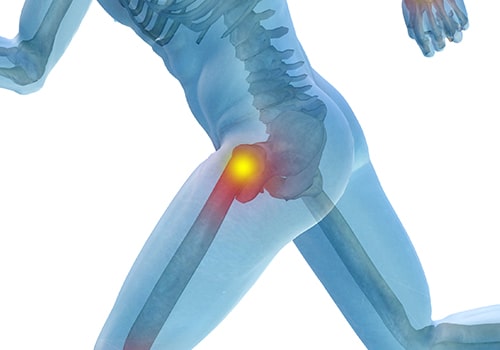
If you’ve been dealing with constant back pain, stiffness, or trouble walking, hip misalignment might be the culprit. When your hips are out of sync, everything feels off—your posture suffers, and pain radiates through your lower back, knees, and even your feet. The good news? Chiropractors can help. Through precise adjustments, they can realign your hips, relieving that nagging discomfort and improving your mobility. With the right care, you’ll feel like yourself again, ready to move without pain or limitation.

What is Hip Misalignment?

How Hip Misalignment Affects Your Body and What Chiropractors Can Do

Hip misalignment is more common than many people realize, and its effects can ripple throughout the body. At its core, hip misalignment refers to an imbalance in how the hip bones are positioned, which can disrupt the body’s overall symmetry and lead to various issues over time. Let’s dive into what causes this condition and the telltale signs that it might be affecting you.

Common Causes

These are some common causes of hip misalignment:

Poor Posture: Sitting for long hours with slouched shoulders or leaning to one side can gradually shift your hips out of alignment. Over time, this bad habit may strain your muscles and joints, creating an imbalance.

Injuries or Trauma: Falls, car accidents, or even minor injuries can knock the hips out of place. The body often compensates for these injuries, leading to improper alignment and additional strain on other areas.

Muscle Imbalances: Weak or tight muscles around the hips and pelvis can pull the joints into uneven positions. For example, a stronger quadricep on one side can tilt the hips and create misalignment issues.

Sedentary Lifestyle: Spending too much time sitting can wreak havoc on your hips. Prolonged sitting tightens the hip flexors and weakens the gluteal muscles, increasing the risk of misalignment.

Symptoms to Watch For

Recognizing the signs of hip misalignment early can help you address the problem before it worsens. Here are some symptoms to be aware of:

Uneven Leg Length: Do your pant hems seem to fit differently, or do you notice one shoe wearing out faster? These can be subtle signs of hip misalignment.

Back Pain or Discomfort: Since the hips support the spine, misaligned hips can throw off your posture, leading to lower back pain or discomfort that may feel persistent or worsen with activity.

Difficulty Walking or Standing: Hip misalignment often causes the body to move inefficiently, making walking, standing, or even sitting for long periods uncomfortable. You may feel stiffness, soreness, or a reduced range of motion in your hips.

Understanding these causes and symptoms is the first step in reclaiming your mobility and comfort. If you’re noticing these signs, a chiropractor can help assess your hips, pinpoint the root cause, and guide you toward relief.

How Hip Misalignment Affects Your Body and What Chiropractors Can Do

How Misaligned Hips Affect the Body

Misaligned hips disrupt your body’s balance and lead to widespread issues. They throw off your posture, tilting the pelvis and straining your spine, which can result in lower back pain and stiffness. This imbalance often shifts pressure to other joints, causing knee pain and uneven wear on your feet, potentially leading to plantar fasciitis or discomfort while walking.

The uneven pull on muscles and ligaments can create imbalances, increasing the risk of joint strain and arthritis. Left untreated, misaligned hips can result in chronic pain, reduced mobility, and difficulty with everyday activities like walking or bending. Getting to the cause of hip pain helps you get feeling better and is a real cure rather than a Band-Aid approach.

The Role of Chiropractors in Treating Misaligned Hips

Chiropractors are experts in identifying and addressing the root causes of hip misalignment. During an initial assessment, they use diagnostic tools like physical evaluations, posture analysis, and imaging to pinpoint the issue. By understanding what’s causing the misalignment, they can create a personalized treatment plan.

Chiropractic adjustments are at the heart of this care. Using targeted manipulations, chiropractors realign the hips to restore balance and reduce strain on surrounding muscles and joints. These adjustments relieve pain, improve mobility, and enhance overall body function.

Complementary treatments, like specific stretches and strengthening exercises, help maintain alignment and prevent recurrence. Chiropractors may also recommend lifestyle changes, such as improved ergonomics or posture habits, to support long-term hip health. This holistic approach ensures lasting relief and empowers patients to stay active and pain-free. 

Tips for Maintaining Hip Health

Keeping your hips healthy starts with daily habits. Regular physical activity, like walking, yoga, or strength training, keeps your hip muscles strong and flexible, reducing the risk of stiffness or imbalance. Stretching exercises, especially for the hip flexors and glutes, improve mobility and prevent tightness from prolonged sitting.

Based on our experience, we would estimate that approximately 90% of the patients who we treat have a short leg on one side, which affects hip and back function. Sometimes a small, simple, inexpensive heel lift that goes on the inside of your shoe can make all the difference. Different sizes are available, depending on what your needs are. 

How Hip Misalignment Affects Your Body and What Chiropractors Can Do

Proper ergonomics are essential—ensure your chair and desk promote good posture, and avoid crossing your legs for extended periods. Standing and moving periodically can also help.

Lastly, regular chiropractic check-ups can catch early signs of misalignment and keep your hips and spine balanced. Preventative care ensures your hips stay strong, mobile, and free from pain.

Relieve Hip Misalignment Issues With Grant Chiropractic

Grant Chiropractic specializes in identifying and treating hip misalignment to restore balance and alleviate discomfort. Using advanced diagnostic tools and personalized chiropractic adjustments, we target the root cause of the issue, reducing pain and improving mobility. Our holistic approach includes tailored treatments to prevent future misalignments, as well. Don’t let hip pain hold you back—schedule a consultation with Grant Chiropractic today and take the first step toward better alignment and a healthier, more active life.

Filed Under: Chiropractor

Dealing with a concussion from a sports injury can leave you feeling disoriented, frustrated, and unsure of how to get back to your routine. While rest and medical care are essential, chiropractic care can play a crucial role in accelerating your recovery and helping you feel like yourself again. In this blog, we’ll explore how a chiropractic can support recovery and help you regain your mobility, balance, and overall well-being. Let’s dive into how chiropractic care can make a real difference in your healing journey.

Concussions and Their Effects

A concussion is a mild traumatic brain injury that occurs when a blow to the head or a sudden jolt causes the brain to shift within the skull. This movement disrupts brain function, leading to symptoms such as headaches, dizziness, nausea, memory problems, trouble concentrating, and even changes in mood like irritability or anxiety. Concussions are most common in contact sports, but they can happen in any activity involving head impact or sudden force.

Sports-Related Concussion: How Chiropractors Can Help With Recovery

Recognizing concussion symptoms early is crucial for a full recovery. Ignoring symptoms or returning to sports too soon can lead to more severe issues, including prolonged recovery times or long-term damage. By addressing concussions promptly with the right care, athletes can ensure safer healing and minimize the risk of complications, setting the foundation for a healthier return to activity.

The Role of Chiropractic Care in Concussion Recovery

Chiropractic care plays a vital role in concussion recovery by addressing the often-overlooked issues of the brain connections with the neck and spine that can result from the impact of a concussion. After a concussion, it’s common for the neck to become misaligned due to whiplash or sudden force. This misalignment can lead to ongoing neck pain, stiffness, and headaches, making recovery more difficult. Chiropractors specialize in performing precise adjustments to realign the spine that helps the head and upper cervical spine (neck) reconnect to the brain. Spinal adjustments can also reduce pain caused by these misalignments, which help ease headache and neck discomfort. 

A concussion can also disrupt normal posture, often leading to postural imbalances that further strain the body. The longer the head, neck and spine are out of alignment the more aberrant neurological patterns are established.  Just like learning a sport, (like golf for example) if your form is off, aberrant patterns are established making it difficult to correct.  Practice makes perfect right? NO! Perfect practice makes perfect! Just like sports it is critical to get your spine in correct alignment early on in treatment, the sooner the better so that proper patterns are established and reinforced. 

Chiropractors are trained to assess and correct these imbalances by carefully examining how the body is compensating for the injury. Through spinal manipulation, they can help restore proper alignment and improve posture, which is essential for establishing proper neurological muscle memory patterns, reducing stress on the nervous system and allowing the body to function optimally.

Spinal manipulation techniques are particularly beneficial as they target areas where nerve function may be compromised after a concussion. By restoring nerve function and alleviating pressure on the spine, chiropractic care helps improve blood flow to the brain, support cognitive function, and speed up recovery. This holistic approach not only addresses the symptoms of a concussion but also promotes the body’s ability to heal naturally, empowering athletes to return to their sports feeling stronger and healthier.

How Chiropractors Address Related Issues from Concussions

After a concussion, individuals often face lingering issues like headaches, dizziness, and muscle tension. Chiropractors can help relieve headaches and migraines through targeted spinal adjustments that reduce neck and muscle tension. They can also help with dizziness and balance problems by addressing misalignments in the spine and stimulating the nervous system to restore balance. Soft tissue therapy and exercises can be used to relieve muscle tension, improve range of motion, and strengthen muscles, supporting faster and more complete recovery.

The Benefits of Chiropractic Care for Long-Term Recovery

Sports-Related Concussion: How Chiropractors Can Help With Recovery

By incorporating chiropractic care into your recovery, you’re investing in long-term health and minimizing the chances of long-term complications.  Chiropractic reduces the risk of chronic issues like recurring headaches or persistent neck pain. Spinal adjustments promote proper posture and nerve function, helping to restore full mobility and preventing future injuries.

Chiropractors also collaborate closely with other healthcare providers to create a comprehensive recovery plan, ensuring that both medical treatments and chiropractic techniques work hand-in-hand to support healing and optimize recovery outcomes. 

When to Seek Chiropractic Care After a Concussion

In light of the neurological memory patterns (like muscle memory), many other neurological patterns must be reestablished quickly for your best chance of a full recovery. Chiropractic care helps make those connections and is not just an add on to general medical care, it is an essential element for not only a quick but more importantly a better outcome than medicine alone. Chiropractic Physicians like Dr. Grant, work hand in hand with your healthcare team for the best results. 

Find Relief at Grant Chiropractic

At Grant Chiropractic, we specialize in helping you recover from sports-related concussions and other injuries with personalized chiropractic care. Our team uses gentle adjustments to alleviate pain, restore neurological connections and spinal alignment. Doing so improves balance, mobility and coordination. Whether you’re dealing with headaches, dizziness, stiffness, or neck pain from a concussion, we’re here to help you get back to your active lifestyle. Don’t wait—schedule an appointment with us today and take the first step towards a faster, smoother recovery!

Filed Under: Chiropractor

Spending long hours at your desk can take a toll on your back, especially if your chair isn’t designed to support proper posture. If you’ve ever stood up after a work session only to feel stiff or achy, you’re not alone. The wrong chair can exacerbate back pain and make your day feel even longer. But the right one? It can be a game-changer, offering comfort, support, and relief. So how do you choose a chair that not only fits your desk but also helps prevent or alleviate back pain? Let’s explore what features to look for and how they can make a difference in your daily routine.

Key Features to Look For in a Desk Chair

1. Adjustable Lumbar Support

Adjustable lumbar support is one of the most crucial features in any desk chair. This support targets the natural curve of the lower spine, also known as the lumbar region, which can easily become strained during long periods of sitting. 

From the front, your spine should be straight and the chair should be level. Over time, chairs can sometimes start to tilt to one side, which can put stress on the spine.

What Chair Should I Have at My Desk for Back Pain? The Essential Features You Should Know

From the side, your spine should have three natural curves. The neck should have a lordotic curve ( “C” shaped curve with the curve of the C going forward), the mid back has a kyphotic curve (goes in the opposite direction), and the lumbar spine (lower back) is a lordotic C shape again. 

Another way to improve lumbar support is with the adjustable seat tilt. Look for a chair that has an adjustable seat that tilts forward and backward. Keeping the setting flat or just a little forward encourages lumbar lordosis and supports the natural curves in your spine.

By keeping your spine properly aligned, lumbar support minimizes pressure on the lower back, preventing slouching and encouraging good posture. Chairs with adjustable lumbar support allow you to customize the positioning and firmness to suit your body and ensure the lower back is supported comfortably. This feature helps distribute body weight evenly, reducing the risk of chronic discomfort, muscle fatigue, or even long-term back problems. Whether you’re working at a desk or attending virtual meetings, a chair with this feature promotes a healthier, more productive sitting experience. Investing in proper lumbar support is one of the simplest yet most effective ways to prioritize spinal health.

2. Seat Height and Depth

Seat height and depth are essential considerations for an ergonomic desk chair, as they directly impact comfort and posture. An adjustable seat height ensures that your feet remain flat on the floor to promote proper blood circulation and reduce strain on your lower back and legs. Ideally, your knees should form a 90-degree angle, with your thighs parallel to the ground, which helps prevent discomfort or tension from prolonged sitting.

Seat depth is equally important. A chair with an adequately sized seat provides full support for your thighs without putting pressure on the back of your knees. This balance enhances comfort and ensures proper weight distribution, helping to avoid numbness or poor circulation in the legs. Adjustable depth features allow you to position the seat correctly for your leg length, creating a customized sitting experience that minimizes strain and supports long-term spinal health. 

What Chair Should I Have at My Desk for Back Pain? The Essential Features You Should Know

3. Backrest and Recline

Backrest and recline features are essential for desk chairs designed to alleviate back pain, as they promote spinal alignment and reduce strain. A reclining backrest allows you to shift positions throughout the day, relieving pressure on the lumbar region and improving blood circulation. Reclining between 90 and 120 degrees can reduce spinal stress by redistributing weight, particularly during extended work sessions.

Chairs with tilt mechanisms enhance this benefit by letting the backrest move in harmony with your body. For instance, a synchronous tilt keeps the seat and backrest angles consistent, maintaining support during recline, while an adjustable tilt tension feature lets you customize the resistance to your preference. A well-designed backrest and recline system significantly contribute to a healthier sitting experience, helping to prevent chronic discomfort and fostering productivity.

4. Material and Cushioning

Material and cushioning also play a role in creating a comfortable and supportive desk chair. Breathable fabric, such as mesh, enhances airflow and prevents heat buildup during long hours of sitting. Sufficient padding in the seat and backrest provides the necessary comfort while ensuring durability and support. High-density foam or ergonomic memory foam cushions can conform to your body, reducing pressure points and preventing discomfort. Choosing materials that balance comfort and functionality contributes to a better sitting experience, reducing back pain and promoting focus throughout the day.

5. Armrests and Headrest

Armrests and headrests are essential for ergonomic support in a desk hair because they help alleviate strain on the upper body. While armrests look nice, we actually recommend removing them. They tend to get in the way and force you to keep your shoulders in an elevated posture that over time, causes stress and fatigue. Most manufacturers make this optional and they can easily be removed.

If you prefer to have them, adjustable armrests are great to provide a resting place for your arms that can reduce tension in the shoulders and neck, and prevent hunching during tasks. Proper arm support also encourages relaxed posture and reduces fatigue over time. 

A headrest, especially on chairs with a recline feature, supports the neck and head, relieving pressure on the cervical spine. This added support is particularly beneficial while leaning back, contributing to overall comfort and promoting spinal health.

What Chair Should I Have at My Desk for Back Pain? The Essential Features You Should Know

Additional Tips for Back Pain Relief at Your Desk

To alleviate back pain while working at your desk, consider integrating these additional practices into your routine. Take regular breaks every 30-60 minutes to stand, stretch, and reset your posture, reducing muscle tension and promoting circulation. Optimize your desk and monitor setup by ensuring your screen is at eye level and your keyboard allows for a neutral wrist position. Finally, incorporate ergonomic accessories like footrests to support proper leg positioning and ergonomic keyboards to reduce wrist stain. Together, these elements create a workspace that supports your spine and minimizes discomfort.

Choose Grant Chiropractic for Back Pain Relief

Grant Chiropractic specializes in providing effective chiropractic care for those dealing with back pain and various spinal issues. Dr. Todd Grant offers personalized treatments, including spinal adjustments and non-surgical therapies, to alleviate pain and restore mobility. He also educates his patients on solutions like selecting supportive chairs to reduce strain and improve spinal health. Take the first step toward relief—schedule an appointment with Grant Chiropractic in Kaysville, Utah, by calling 801-682-4003 or filling out our contact form.

Filed Under: Chiropractor

« Previous Page
Next Page »

GRANT CHIROPRACTIC

280 W 200 N
Kaysville, UT 84037
801-682-4003
Monday 8:00 AM - 6:00 PM
Tuesday 8:30 AM - 6:00 PM
Wednesday 8:00 AM - 6:00 PM
Thursday 8:00 AM - 6:00 PM
Friday 8:30 AM - 2:00 PM
Saturday Closed
Sunday Closed

Directions

Contact Us

FOLLOW US

Grant Chiropractic - Facebook Grant Chiropractic - Google Grant Chiropractic - YouTube Grant Chiropractic - YouTube Grant Chiropractic - YouTube

2026Grant Chiropractic | All Rights Reserved | Privacy Policy | Terms | Accessibility | Anti-Discrimination | Healthcare Disclaimer | HIPAA Privacy Policy | XML Sitemap | Sitemap | Site by PDM